Blog

  • Bosnia and Hercegovina: Survival Guide

    Bosnia and Hercegovina: Survival Guide

    Bosnia and Hercegovina might be the most difficult place we travelled through in Europe. Just because it is very different from our cultures being Swedish and British. It took us a little bit of time to understand certain things and to not misinterpret situations. BUT other of us absolutely fell in love with this beautiful country! So here is our little with survival guide for Bosnia-Hercegovina so you don’t have to go through the same rough beginning as we did.

    Forget everything you’ve seen in media

    Bosnia is an extremely safe country to travel in and we never had any issues. Many people asked us how we dared to travel in Bosnia as it is so dangerous. This is not the case at all. People are extremely friendly and helpful and we never felt unsafe.

    People might seem hard at first

    This was probably the biggest issues for me in the beginning. People looked very hard, and didn’t smile and was very short with us. But we quickly realised that you just need to give them a moment to warm up to you and then you will meet the friendliest people in Europe and be welcomed with open arms.

    Language

    English is not widely spoken (except for Mostar and Sarajevo), but people will be more than happy to speak with you anyway, in Bosnian. They will also help you even if they can’t express themselves in English. Most people do speak German though especially in the north and central parts of Bosnia, so if you do it will be easier for you. Make sure to try to learn a few phrases in Bosnian as this will be very positively received and people will warm up to you quicker, even if it’s just a Dobar dan (Hello) and Hvala (Thank you).

    Food

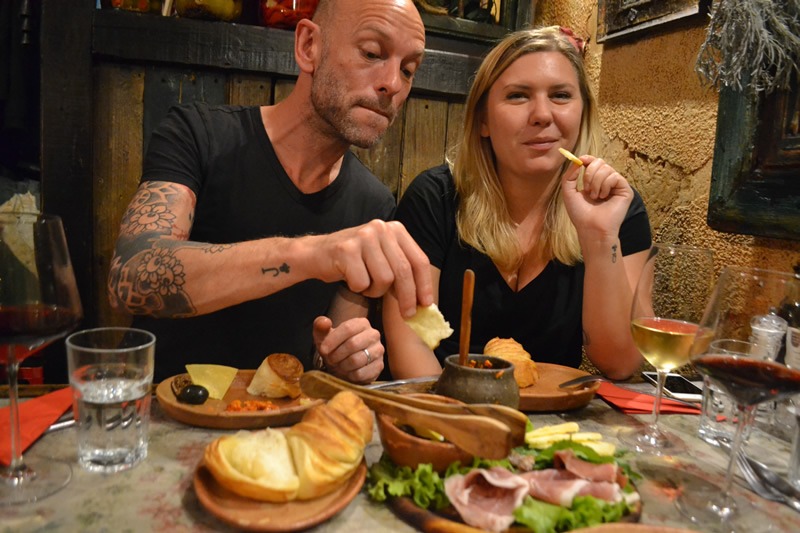
    We found the food in Bosnia-Hercegovina amazing. However, we did not eat many vegetables during our month there. We took vitamin supplement in Bosnia as we ate so few vegetables. The food is also very meat heavy so if you’re a vegetarian you might have issues. Especially outside big cities. Mostar was the only place we saw advertising vegetarian food.
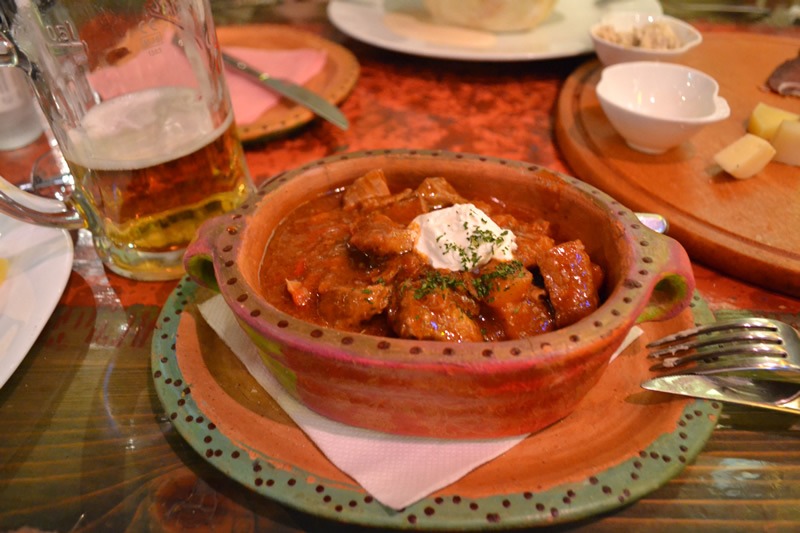
    Typical dinner in Bosnia – as well as mixed grill

    Travel around

    Bus is king in Bosnia-Hercegovina. So if you’re going from A to B take the bus. It’s super easy and cheap. We loved going by bus in Bosnia, it was just an amazing experience. If there is no bus to where you’re going you can get a car, it’s cheap compared to western Europe. Prices start at 1.80km + 1km per km. If traveling long distances you can make a deal.

    Bus schedules and tickets

    Don’t try to check bus schedules online. They will most likely not exist and if they do, they might be old. Just head to the bus station or call them to get times. We always made sure to take a photo of the time table when we arrived to a bus station. We never bought a bus ticket in advance, the only time we tried they told us to come back just half an hour before the bus is supposed to depart. But if you really want to make sure you get on that bus, buy them the day before.

    Ask the locals for the best food

    Ask local people about recommendations for restaurants. There’s not a lot on the internet and the locals always knows best.

    Cheapest parts of Bosnia-Hercegovina

    Mostar and Sarajevo was much more pricey than the rest of the country. The cheapest areas was for sure north and central Bosnia. Check out all our travel guides for the places we visited in Bosnia-Hercegovina.

    Get a Bosnian sim card

    As Bosnia-Hercegovina is not part of EU, we made sure to get a Bosnian sim card when we arrived. Just head to one of the small kiosks in the city you’re in and they will most likely help you set it up, try to head to one where they speak English. It’s also very cheap so it won’t burst your budget, we paid 3.5KM for 1GB data for a week and free calls and texts within Bosnia. If you’re traveling through the country or to different areas, make sure to get a sim card that will work in the whole country, we used M Tel and never had any issues.

    Alcohol

    Alcohol is super cheap in Bosnia-Hercegovina, and the drinking culture is big. Beers and Soft drinks are usually the same price, or sometimes even cheaper. You will find people drinking in early mornings and on their lunch breaks, especially in smaller places. There is also a big Rakija (local home made spirits) culture, and everywhere we went there was a bottle of Rakija waiting for us, or we were welcomed with a shot – even if we arrived 10am.
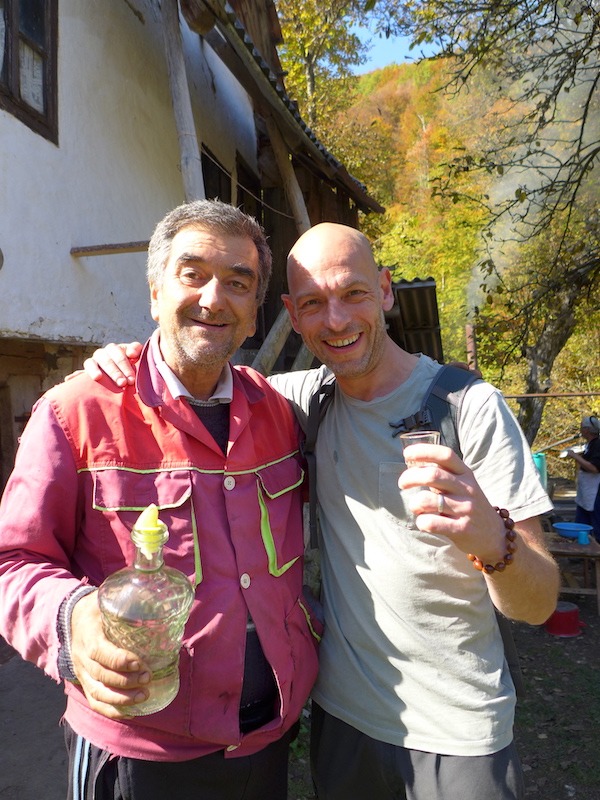
    Walking through a village in Rakija season only means one thing

    Ask for tap water

    If you don’t ask for tap water they will bring bottled water. However tap water is always free and safe. So better for the earth and better for your wallet.

    Ask people for help

    If you have any issues, just ask someone around you. People are super helpful and want to give you the best experience possible in their country.

    Bakeries

    For the cheapest lunch – go to a bakery and get a burek. Bakeries are also open very late, so you can always get one.

    Prices

    Prices are in general much cheaper to western Europe and neighbouring country Croatia and Montenegro. You can always judge prices of a place checking the price of cevapi and coffee, the cheapest cevapi we had was 4.50km and about 7km in Sarajevo and Mostar. Coffee (espresso) should be maximum 2km – but we usually paid 1 (October 2018).

    Make sure to head out to nature

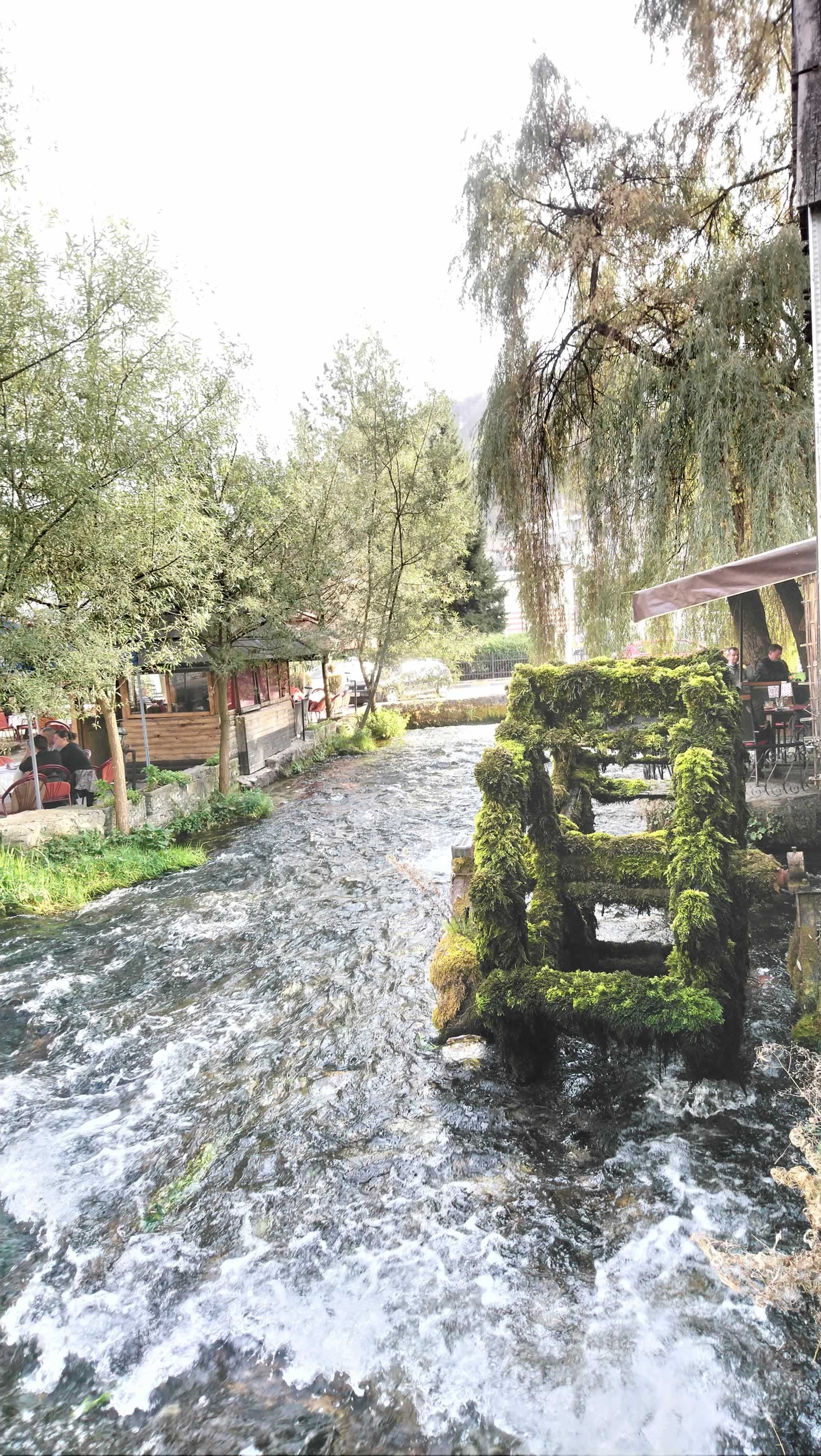
    Bosnia-Hercegovina has some of the most beautiful nature I’ve seen. It’s also very untouched. It is also very diverse, with mountains, forests, lakes, rivers etc. We headed out to a small village by Pliva river, which was just beautiful.

    Walking the Pliva River in BosniaHerzegovina
    Walk along Pliva river

    Be prepared for staring

    Bosnia-Hercegovina doesn’t see many tourists, except for Mostar and maybe Sarajevo. So people will stare a bit at you. Some will also come up to you and ask where you’re from and why you’re here etc. But it’s all in a very nice way. We never felt uncomfortable.

    More Bosnia and Herzegovina!

    Make sure to see our Bosnia and Herzegovina page with all our travel tips, travel map and all our blog posts about Bosnia and Herzegovina.
  • Trebinje Travel Guide: What to do and where to eat

    Trebinje Travel Guide: What to do and where to eat

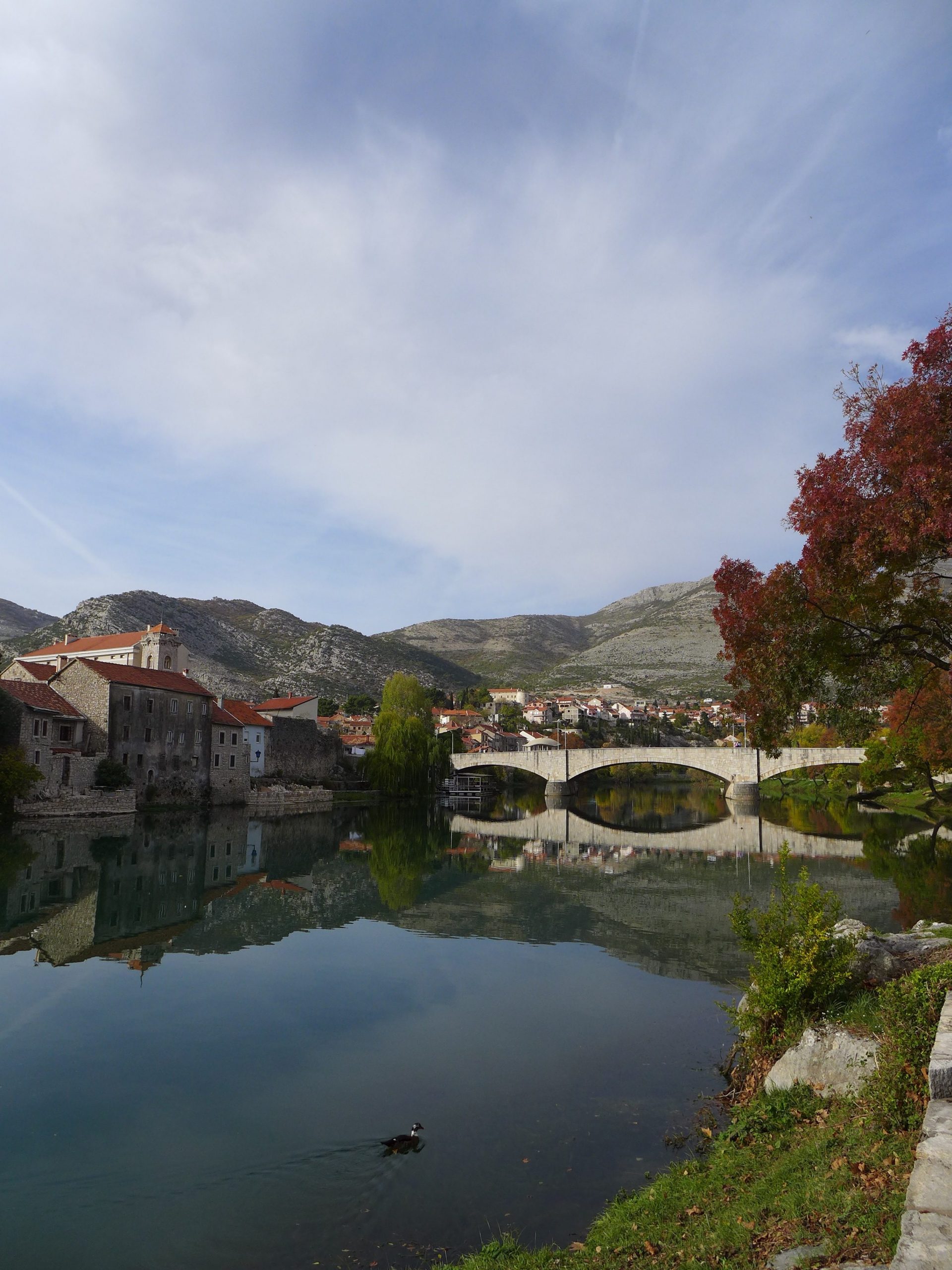
    Trebinje, a little gem in Hercegovina. Not many cities is Bosnia-Hercegovina is very pretty, but Trebinje really is. The climate was also quite different, much more mediterranean. In general, the landscape of Hercegovina is quite different from the rest of the country, less mountains and less lush but very beautiful. There is also many wineries around the region. This is our Trebinje travel guide, the super picturesque city of Hercegovina.

    All places listed are added on our Bosnia-Hercegovina travel map.

    What to do in Trebinje

    Trebinje is not a touristy city so it doesn’t cater to tourists, which we find very nice. But it also means there arean’t loads of places that you should go and see. We prefer these kind of places to the touristy ones full with monuments you ”should” visit.

    Walk Around

    Just walk around the city and stumble upon random places. That is what we love doing wherever we go and Trebinje is perfect for that. Not too much traffic and small enough to walk in. Make sure to stroll along the river, there are some great photo spots with great views over the old town and the old bridge.

    Views over Trebinje
    Trebinje old town
    Trebinje, old town and old bridge

    Visit Arslanagic Bridge

    If you walk further along the river you will find the Arslanagic Bridge, a beautiful old bridge. We found this bridge much more beautiful than the one in Mostar. Definitely worth a visit.

    Arslanagic Bridge
    Walking over Arslanagic Bridge with the mountains in the background

    Visit Hercegovacka Gracanica

    This orthodox church is located on a hill overlooking the whole city. It is walkable but quite a steep walk up. The church is beautiful, but it is the views that’s the star. They are breathtakingly beautiful. You can see the whole city with the mountains as a backdrop. Make sure to head up here if you visit Trebinje. Also stay for a coffee at the cafe next to the church.

    Inside Hercegovacka Gracanica
    Hercegovacka Gracanica
    The views from Hercegovacka Gracanica

    Visit the Church of St. Archangel Michael

    This place is so local that I can’t even find the name in latin letters on google. It is also an orthodox church on a hill. The church itself is closed or underconstruction, but you can climb up on the stairs on the outside and you get beautiful views over the city and the surrounding area. The walk up is quite steep, but very beautiful. You walk through a villa area on a hill, where life happens.

    Looking out over Trebinje from Church of St. Archangel Michael

    Visit the Pijaca, the central Market

    Come on a Saturday before lunch to see this market at its busiest. People come in from all the surrounding villages to sell their products. You will find loads of vegetables, but also home made cheese, honey and other products. As it’s a local market, the prices are also very affordable. After strolling through the market, sit down at one of the cafes on the square for some people watching.

    Stari Grad

    Walk around old town in Trebinje, it’s not as beautiful as other old towns in Bosnia-Hercegovina, but this is where many people meet for drinks or coffee during weekends. Join the locals and sit down at one of the many cafes or bars and just soak in the vibes.

    Drink coffee

    As everywhere else in Bosnia-Hercegovina, there’s a strong coffee culture in Trebinje. There’s many nice places around the main square and in old town. But our favourite ones was Botanik, with great coffee just outside the centre of town – also very cheap. Kafe bar Jaz was another favourite, a very nice spot for a coffee by the river, close to the old bridge.

    Inside cafe Botanik

    Where to Eat in Trebinje

    Trebinje was the only place in Bosnia where we had issues finding good food. It seems like people here doesn’t really go out to eat, so evenings was pretty dead (at least when we were there Saturday and Sunday evening). It was mainly hotels that served food, but they were overpriced and not great. Other than that mostly pizza places. According to google many good restaurants are located quite a bit outside the city, but as we didn’t have a car we didn’t visit these. But if you do have a car, try them out.

    MG’s

    We did manage to find one really nice restaurant, MG’s. Located close to the main square. The interior looks like it’s coming straight out of a 70s movie, but they served really nice traditional food and the waiter very friendly. The prices was higher than what we were used to in other places in Bosnia-Hercegovina, but it was ok for our budget.

    More Bosnia and Herzegovina!

    Make sure to see our Bosnia and Herzegovina page with all our travel tips, travel map and all our blog posts about Bosnia and Herzegovina.

  • Mostar Travel Guide: What to do and Where to Eat

    Mostar Travel Guide: What to do and Where to Eat

    Mostar, the city with the famous bridge. Neither of us were too impressed byt this city after travelling from the North of Bosnia and Hercegovina. It is a small city catered to tourists, probably the only place in Bosnia that is, at least where we went. Two nights is definitely more than enough. Our favourite things about Mostar was when we left the old city and all the tourists.

    All places are added to our Bosnia-Hercegovina travel map.

    What to Do in Mostar

    Sniper Tower

    This was one of our highlights in Mostar, the sniper tower. This old bank building was used as a sniper tower during the war. Now it is an abandoned building, located in the new part of the city full with beautiful graffiti. You are not allowed to enter the building, but it is easy to climb in at the back of the building to explore more of the graffiti. We did not do this, as we don’t know how safe it is. You can get a local unofficial guide to show you around, which we would suggest just to be on the safe side. Do a little google about it to find the best options for you. But it is also perfectly fine to just walk around on the outside of it and you get to see loads of graffiti that way too.


    Mostar Sniper Tower

    Mostar Snipertower Rear


    Mostar Snipertower Graffiti Sam

    Mostar Snipertower Graffiti Livia


    Mostar Bridge

    Mostar bridge is beautiful but a bit underwhelming. There is also huge crowds, even at low season where we were there. We were lucky enough the get the bridge almost by ourselves in the evening as it was raining quite heavily. Mostar bridge is not a reason to go to Bosnia, there are plenty of way way nicer places around this beautiful country which we recommend much more.

    Head to viewpoint by the river, where you get a really nice view of the bridge and not so many people. You will see it from the bridge, so just take a short walk there from the bridge.

    Mostar Bridge
    Mostar Bridge

    Old Town of Mostar

    Old town, or Stari Grad, is pretty, but it is super touristy. Something we were not used to traveling through Bosnia before hitting Mostar. That takes away a lot of the beauty we think. It must have been absolutely stunning 50 years ago or so without all the tourists shops and crowds. If you are in Mostar, do take a walk around old town, but make sure to see other parts of the city too. Which takes me to the next point.

    Mostar Old Town View
    Mostar Old Town View

    Walk Outside the Old Town

    Make sure to take a walk in new parts of Mostar as well. Where real life it happening. Try some of the coffee places that you’ll find everywhere, look at the architecture and ruined buildings. Just enjoy the local life in Mostar.

    Walking round Mostar
    Walking round Mostar

    Where to Eat in Mostar

    Irma Grill

    The mixed grill at Irma is out of this world! It is the best mixed grill we had in Bosnia also with grilled vegetables, which was a first for us. Just know that it is HUGE – the small one is more than enough to share. Even if the price might seem a bit high for mixed grill (compared to other places in Bosnia), it is very well priced for the amount of food you get! We went here both nights we stayed in Mostar.

    Mostar Irma Grill
    Mostar Irma Grill

    Behar

    Local place in old town of Mostar. Food is a bit cheaper than other places around.


    More Bosnia and Herzegovina!

    Make sure to see our Bosnia and Herzegovina page with all our travel tips, travel map and all our blog posts about Bosnia and Herzegovina.

  • Sarajevo Travel Guide: What to do and where to eat

    Sarajevo Travel Guide: What to do and where to eat

    Sarajevo was one of our favourite stops during our 3.5 months in the Balkans. The capital of Bosnia-Hercegovina can perhaps not be described as beautiful, but the vibe is just amazing. There is also a lot to see and do in Sarajevo. This is our Sarajevo travel guide with all tips of what to do and where to eat when you visit Sarajevo.

    Not many Europeans visit Sarajevo, which is a shame. It is very diverse and cultural with a lot of different things to offer. There’s an ottoman area, many restaurants, communist blocks, great views, friendly people… Sarajevo has it all!

    All places below are added to our Bosnia-Hercegovina travel map.

    What to do in Sarajevo

    We spent almost two weeks in Sarajevo so we had a chance to do a lot of things in this amazing city. In this post we will mention our favourite things we did. Sarajevo is small enough to walk around in, but local transportation is also easy, and cheap. The easiest is to go by trams.

    Walk around and look at the different architecture

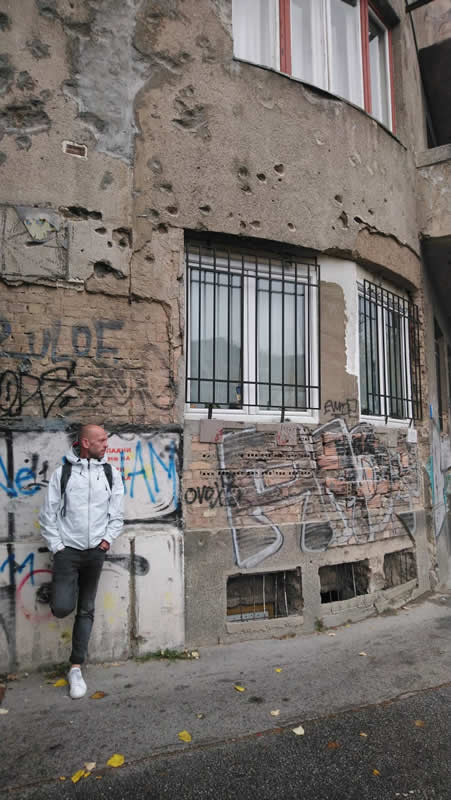
    Do make sure to just walk around and get lost and see what you find. Look around you at all the houses, the rebuilt ones, the modern ones, the Austro-Hungarian ones, the communist buildings and the ones filled with bullet holes. It is a very interesting city to just walk around and look at the architecture in the different areas.

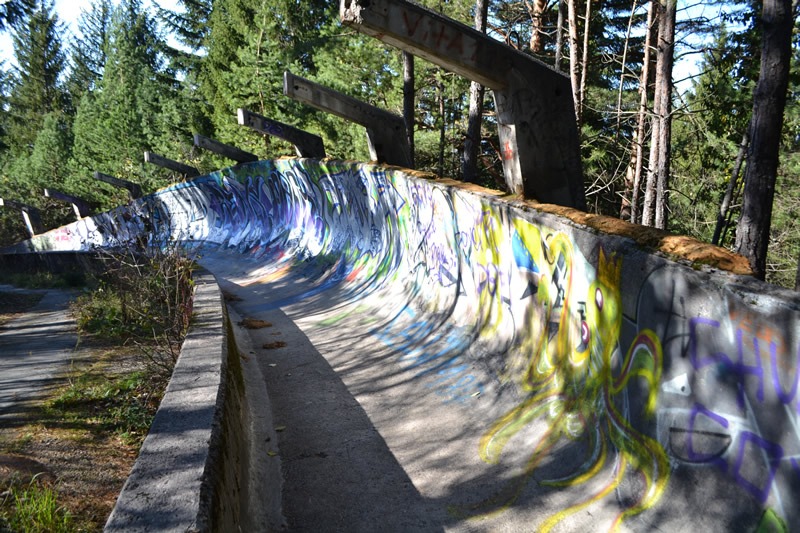
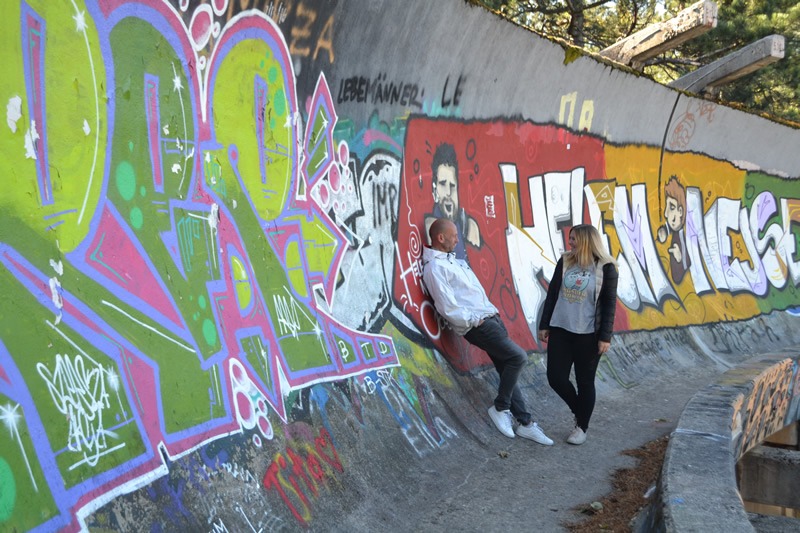
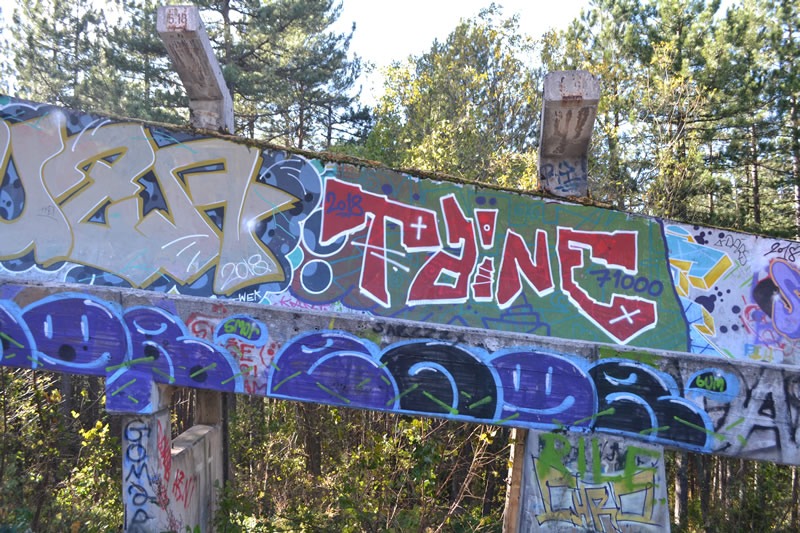
    Sarajevo Bobsled Track

    This is the old Bobsled track form the Olympic Games 1984. Today it’s full of colourful graffiti. You can walk down the tracks to see all the graffiti. Definitely a must for anyone visiting as it’s a very alternative tourist attraction, and it’s also free of charge. You can take the cable car up there and walk to the bobsled tracks. Or you can take a taxi up the mountain. You could also walk, but it’s a long, steep and boring road to walk up.

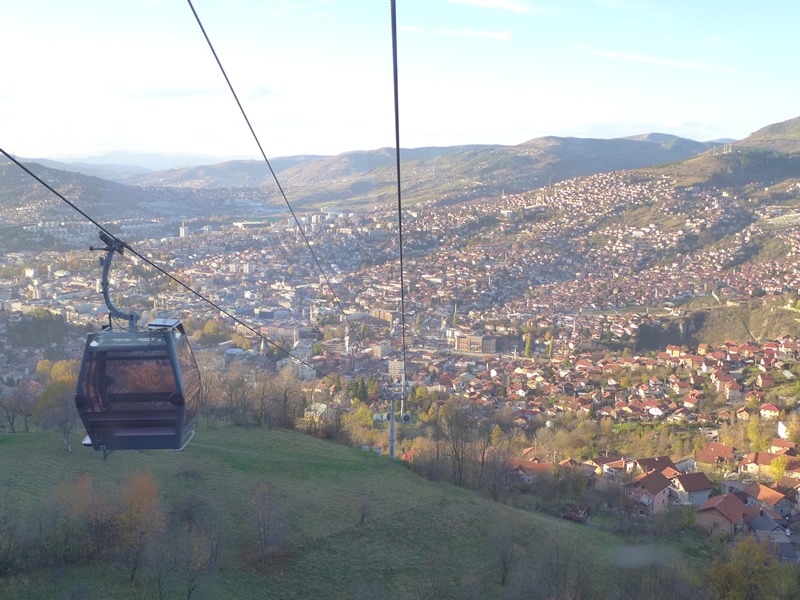
    Sarajevo Cable Car

    There was an old cable car running up the mountain during the Olympic games, during the siege of Sarajevo it got destroyed. But today it’s rebuilt and you can go up the mountain again. It is quite pricey for tourists, so if you are on a very tight budget and only want to see the views from up there and/or visit the bobsled tracks, I would suggest taking a taxi, as this will be cheaper for you. But if you are very interested in the cable car itself then it is worth it.

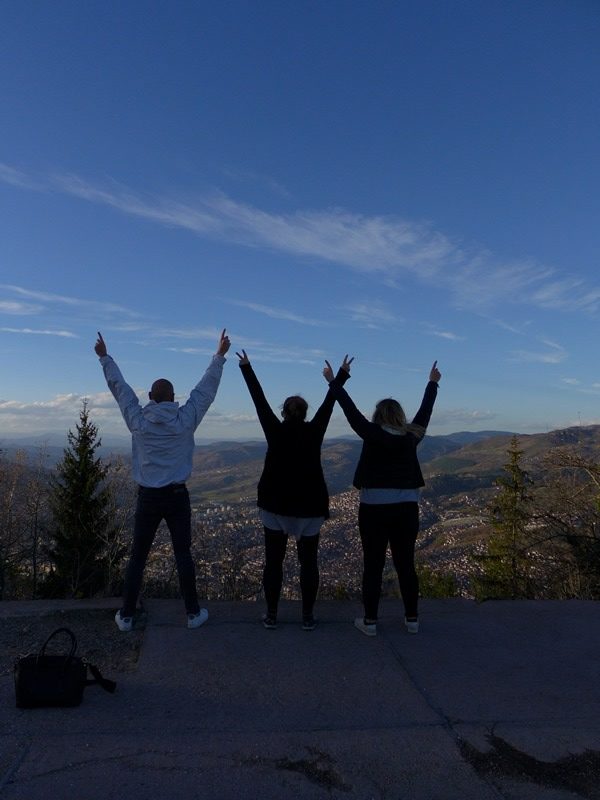
    Views from the top

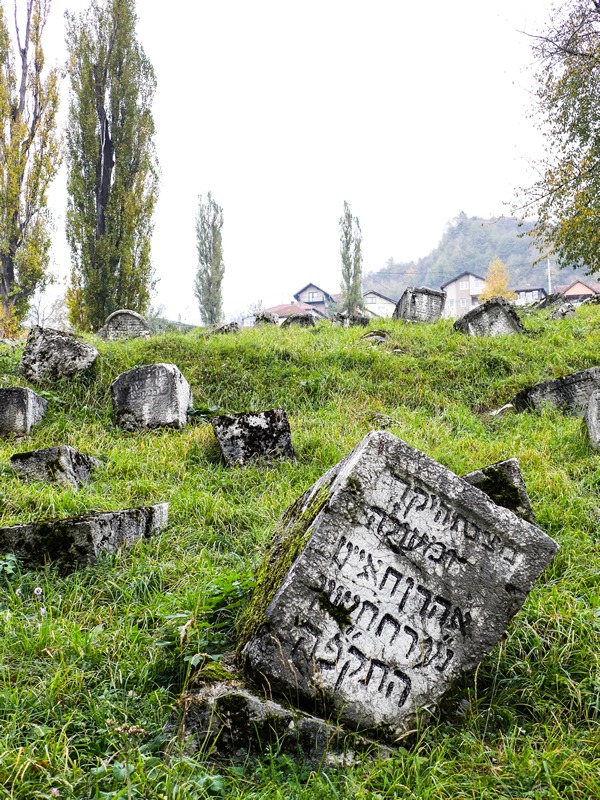
    Jewish Cemetery

    This is an abandoned Jewish Cemetery up one of the hills of Sarajevo. It was inaccessible due to landmines for many years, but today it is accessible again. However, it is still abandoned. This was another of our favourite places to visit in Sarajevo, and a very unique place. We were all alone while visiting and it is very beautiful and peaceful. It’s walkable from the city, but it is on a hill so the walk is quite steep.

    Grave stones at the Jewish Cemetery

    The Yellow Bastion and the White Fortress

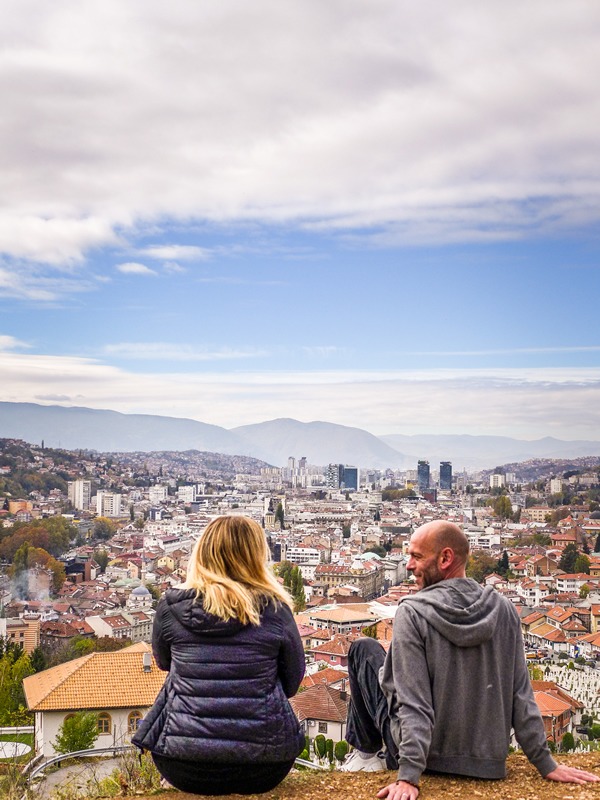
    I write these two under the same category as the Yellow Bastion is on the way to the White Fortress. The buildings are not very interesting, but you come here for the views over Sarajevo. There’s also no entrance fee to any of them so it makes a great place to visit if you’re on a budget.

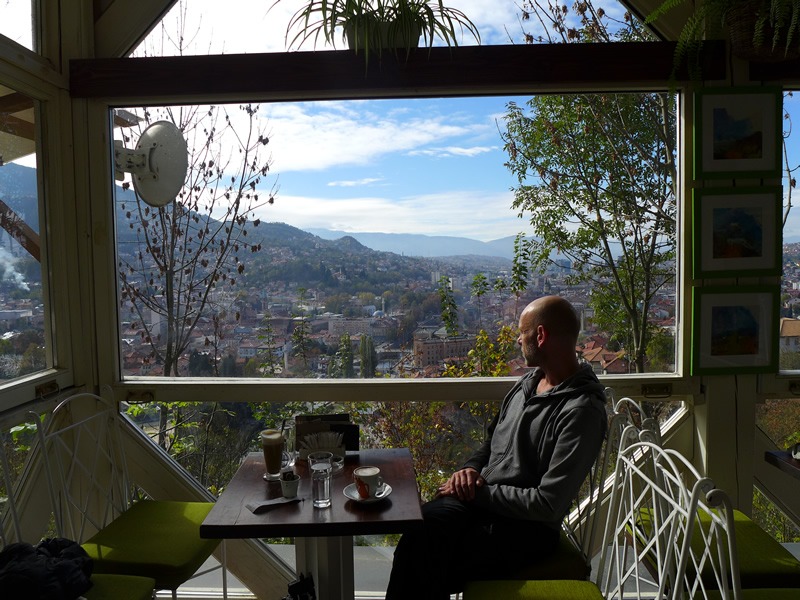
    It’s a very beautiful walk to get to these two places, you will start in the old town of Sarajevo, and walk up a hill to reach the Yellow Bastion. After taken a moment there, and maybe some photos, continue the road along the hill. There is a cafe, Kamarija, just next to the Yellow Bastion, which is worth a visit. Not amazing coffee, but the views are very beautiful. After enjoying your coffee, continue through a part of Sarajevo, which feels like a small Italian mountain village, with stone houses and many small alleys. Once you found the right way (use google maps or ask someone), you will reach the White Fortress. On one side you have views over the mountains and valleys and on the other over Sarajevo, both breathtaking.

    At the Yellow Bastion
    Cafe Kamarija

    Views out of the city from the White Fortress

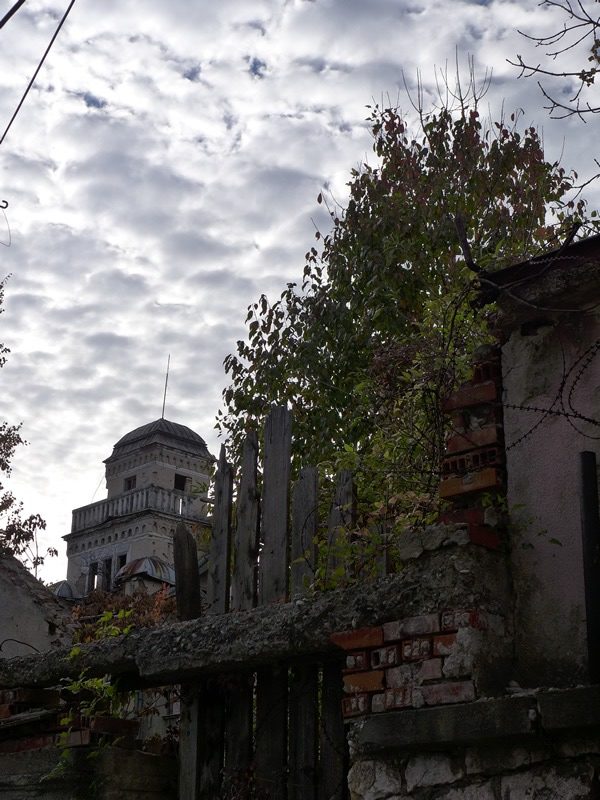
    Abandoned Mansion

    From the White Fortress you can also see a huge abandoned mansion. We managed to find our way there, it’s above The Yellow Bastion. You can’t go in, but it is quite beautiful from the outside. So if you are interested in this kind of palaces, do head over there to have a look.

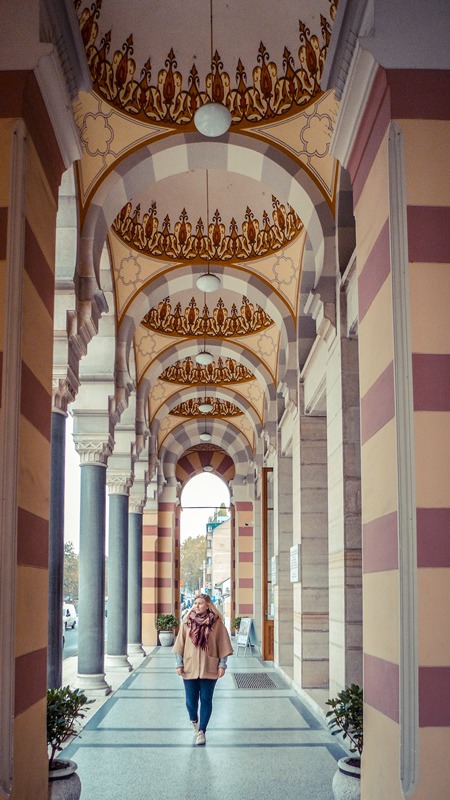
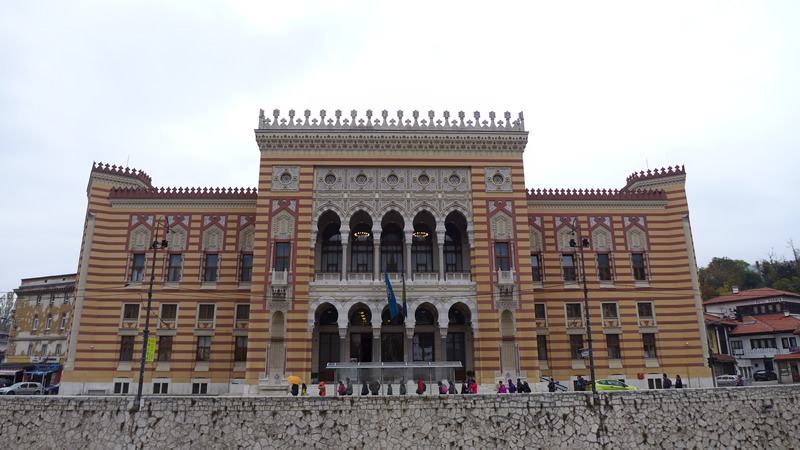
    Sarajevo City Hall

    This building is beautiful. And you can get some great pictures under the archways at the entrence. We didn’t go inside, but I’ve seen pictures from it, and it does look beautiful. Next time I head to Sarajevo I will make sure to go inside as well.

    Sarajevo City Hall
    Get an instagram worthy pic at the City Hall

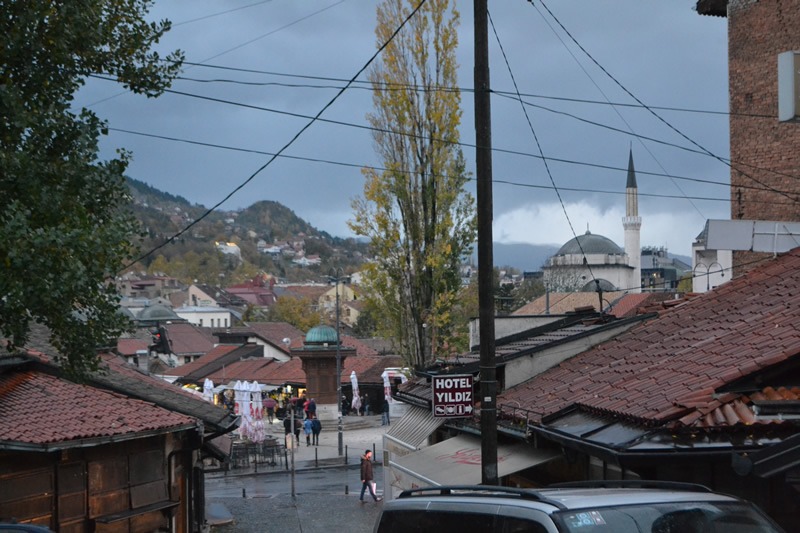
    Explore Baščaršija

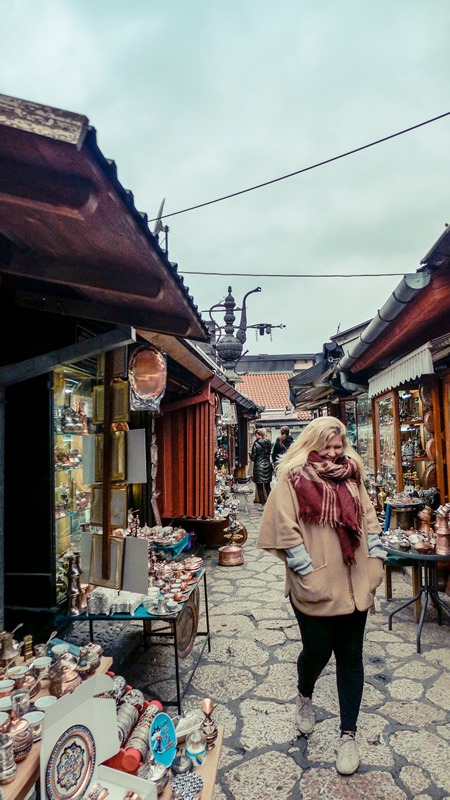
    This is the old town of Sarajevo. It was built during the Ottoman empire and it kind of feels like being in Turkey when entering this part of Sarajevo. It is very pretty but can get extremely packed with people, especially during weekends. Try to head there on weekdays to enjoy all the small little alleys without all the people.

    Baščaršija
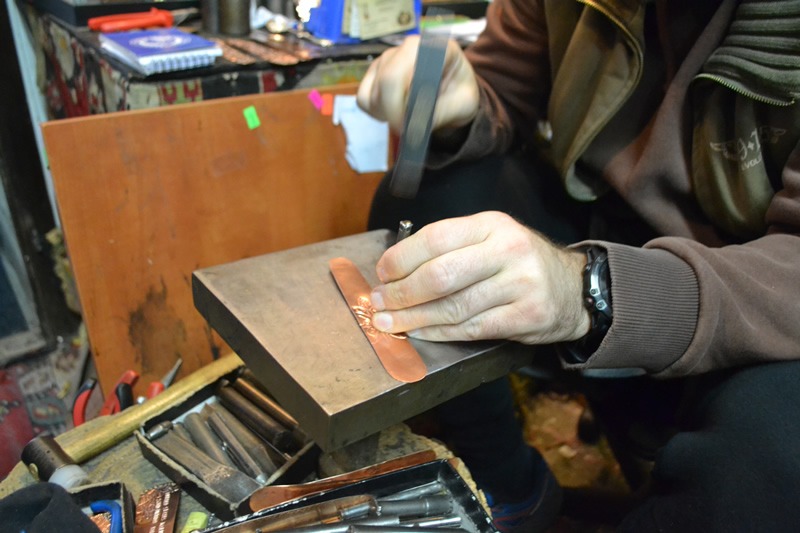
    Go to any of the small workshops to see how they make their merchandise
    The small alleys of Baščaršija

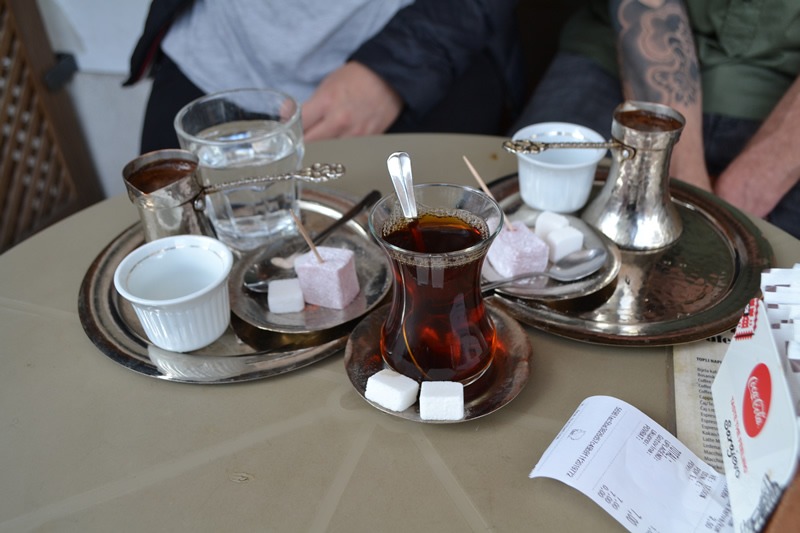
    Make sure to sit down with a Bosnian coffee in this area. We really enjoyed Kaffa on the big square in Old town. Sit inside or outside with your coffee and do some people watching.

    Bosnian coffee at Kaffa

    Sarajevo Tunnel museum

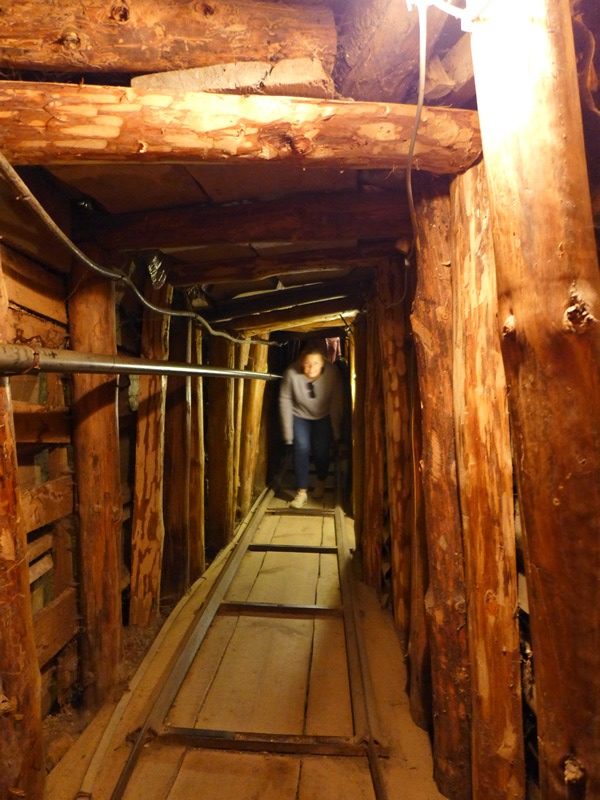
    This was a quite interesting museum next to the airport in Sarajevo. During the siege this was the tunnel which was used to smuggle food etc. into Sarajevo. It’s only about 20m of the tunnel available for visitors, but the museum is definitely worth a visit if you’re interested in history. It’s a bit tricky to get there without a car, easiest is to take a taxi. We took a bus, but then we had to walk for 40 minutes to the actual muesum. On the way back we hitchhiked, no locals will pick you up, but we were lucky to be picked up by a french couple.

    Part of the tunnel which is open for visitors

    Museum of Crimes Against Humanity and Genocide

    This museum is very hard. It’s nothing fun about it, but we think it is an extremely important place to visit. You will learn a lot about the years during the Siege of Sarajevo. Our favourite room was the film room, which showed short films from these years. About normal life, how it was, and how people survived, and didn’t survive. Again, it is very very difficult and a lot of very graphic pictures and films. So make sure to go there a day when you feel strong enough to handle it. Having said this, we still believe this is a must when you’re visiting Sarajevo, to understand better how life was and why the city look like it does today.

    Latin Bridge

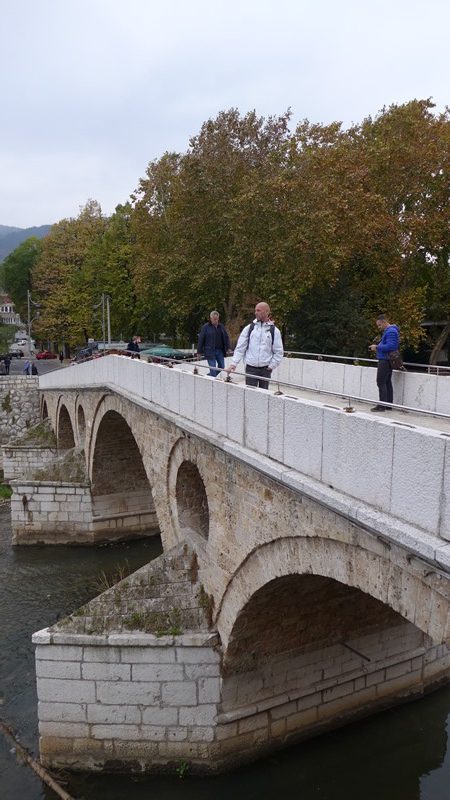
    Not super interesting, but you will probably walk by it at some point. It’s an old, quite beautiful, bridge close to the old town. It is also the place where Franz Ferdinand got assassinated, you will find a plaque about this on the side towards old town.

    ICAR Canned Beef Monument

    Again, maybe not super interesting, but it’s a fun alternative thing to see in Sarajevo. It is an ironic war memorial of ICAR canned beef. Which was an inedible food, send as humanitarian food during the war.

    Bars and Cafes to Visit in Sarajevo

    Cafe Tito

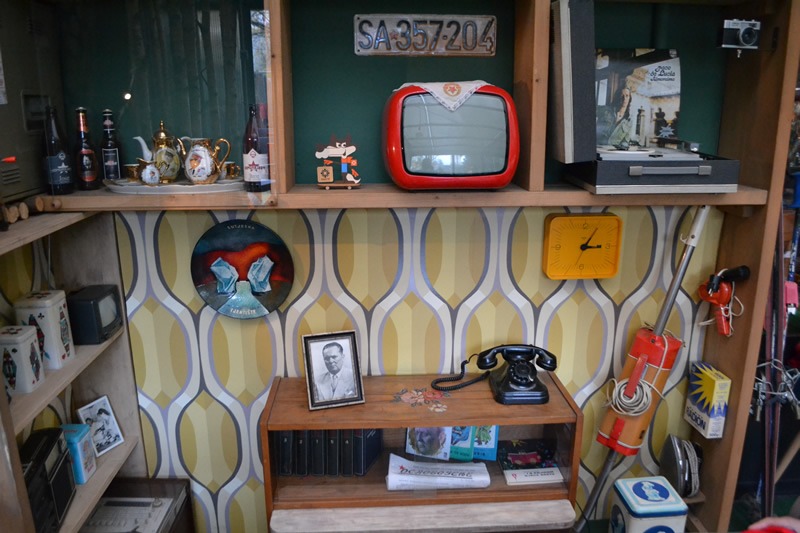
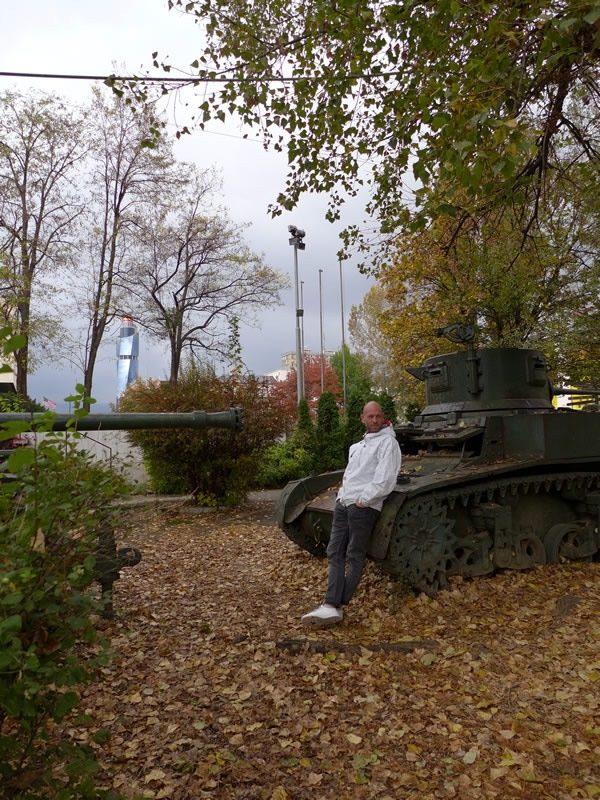
    This Tito inspired cafe, next to the ICAR canned beed monument is a great place if you are interested in Tito and the communist era. It’s filled with things form this time and serves cheap coffee and beers. There’s also old tanks etc. outside the cafe.

    Interior at Cafe Tito
    Tank outside Cafe Tito

    Zlatna Ribica

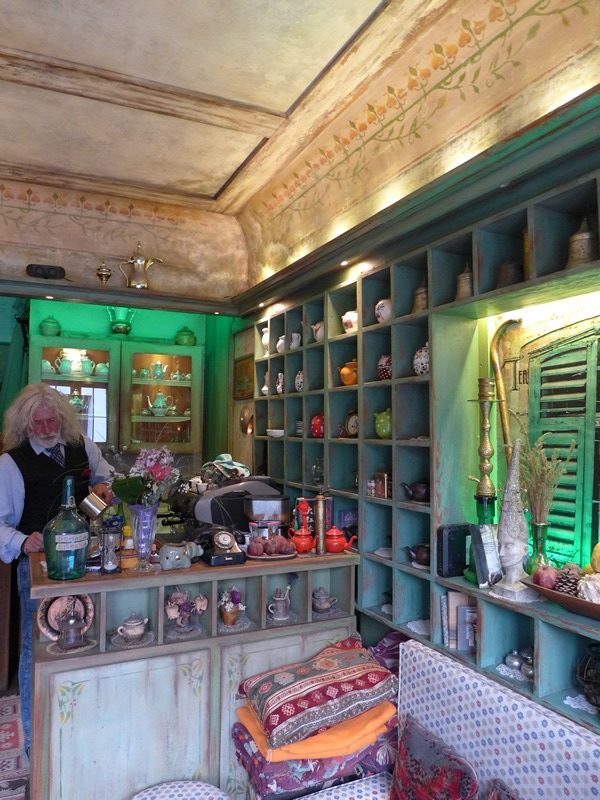
    This bar had mad interior. Just for this reason you should go there. There are trinkets everywhere around and all different styles, which makes it quite beautiful. It’s a super small bar so come there on off hours to get a seat.


    Tea House Džirlo

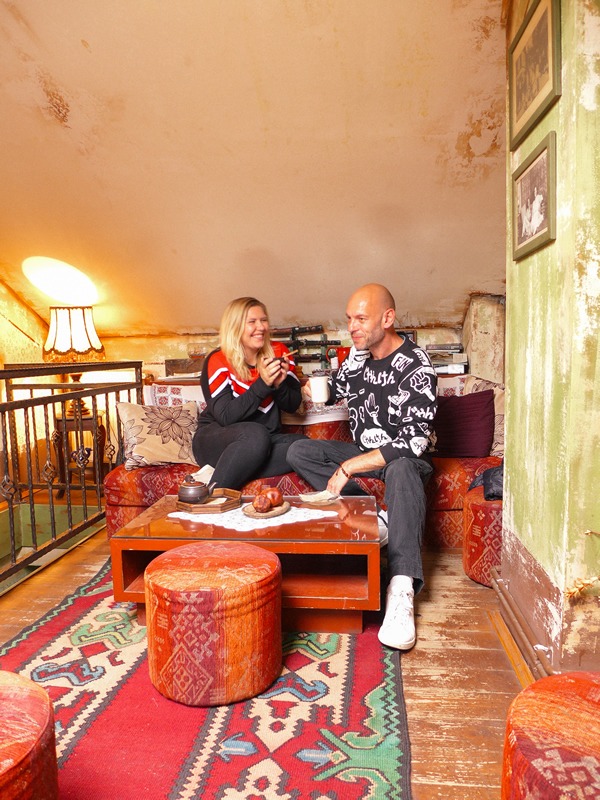
    This was our favourite hang out in Sarajevo, it is a super cozy tea house in old town. The owners are great and super friendly. You can choose from countless teas, but do make sure to try Salep, a Turkish specialty.

    Where to Eat in Sarajevo

    Dveri

    This was some of the best food we had in Bosnia. It’s a great little restaurant in old town serving traditional food. Make sure to book a table in advance as it often fills up. Make sure to try the beef steak and their home made bread.

    Enjoying the food at Dveri

    Avlija

    Great little restaurant up the hill outside of the tourist area. Very good traditional food and cozy interior. Quite small so might be worth booking a table in advance.

    The interior of Avlija restaurant

    Ćevabdžinca Petica Ferhatović

    Great local restaurant in old town. It was completely packed with locals during lunch. They serve traditional BBQ food, mostly Cevapi. Definitely head here for lunch.

    Restoran Bijela Tabija

    A nice restaurant with good food next to the white Fortress. A bit more expensive than the very local places, but still good value for money and beautiful views.

    Ćevabdžinica Željo

    Supposed to be one of the best Cevapi in Sarajevo. We enjoyed it but it’s not the best in Bosnia! But a good cheap place for a quick lunch.

    Barhana

    Ok restaurant in old town, not the best, but if you can’t get a table anywhere else, you can head here.

    More Bosnia and Herzegovina!

    Make sure to see our Bosnia and Herzegovina page with all our travel tips, travel map and all our blog posts about Bosnia and Herzegovina.

  • Jajce Travel Guide: What to do and Where to Eat

    Jajce Travel Guide: What to do and Where to Eat

    Jajce is a very cute little town in central Bosnia. It feels little like an Italian village mixed with Ottoman architecture. You can also see traces from the war still, as many houses has bullet holes in them still. We really enjoyed the slow pace of Jajce, a place to relax and just get lost in the small center. See our Jajce travel guide here for tips of what to do and where to eat.

    Have a look at our Bosnia-Hercegovina travel map for locations.

    What to do in Jajce

    There is not loads to do in Jajce, but there are a few places to visit and things to do. But the number one thing is just to relax and soak in the calm atmosphere with a coffee at one of the many cafes.

    Visit Jajce Fort

    One must is to visit Jajce fort. It’s up the hill with great views of the city and the surrounding area. The fort itself is not super interesting, as with most other forts in the Balkans, but the views are stunning! The entry is also cheap so perfect if your on a budget.

    Views from Jajce FortViews from Jajce Fort Selfies at Jajce FortSelfies at Jajce Fort


    Jajce Fort
    Jajce Fort

    Get Lost on Purpose

    It’s not so easy to get lost in Jajce, but it is very nice to just walk around on the winding alleys around the fort and the centre. It’s not many streets but you can see daily life once you get off the main street. It’s quite a village feel to it, perfect for a slow stroll.

    Jajce Old Church
    Jajce Old Church

    Drink Coffee

    Like anywhere in Bosnia, Jajce is full of cafes to enjoy a cup of Bosnian coffee. We found the perfect place next to the catacombs. We had the best Bosnian coffee here during our month long stay in Bosnia. We had our coffee on the wall as there was no sun on the outside veranda and the very sweet and friendly brought out some pillows for us to sit on and came with the coffee and turkish delight. It’s also very good price.

    Bosnian Coffee and Jajce Catacombs
    Bosnian Coffee and Jajce Catacombs

    Visit the Catacombs

    This is another of the very few attractions in Jajce, but it’s actually quite nice. Now, we haven’t been to any other catacomb so we can’t compare it, but I would guess this is quite small compared to others, but still it has two floors. It’s a perfect place to escape the heat if you visit during summer. If you want to kill a little bit of time I would visit, as it’s on the way up the fort.

    Jajce Waterfalls

    What most tourist come to see is the Jajce waterfalls. It is definitely worth seeing. To go down you need to pay, but we don’t think that is worth it. You get a very nice view from upstairs. Also, there is a viewpoint on the other side of the river, you can see it from the city side, there’s a little open area with a table. You can walk over the bridge to get there, there’s no side walk on the other side and cars drive fast, so just make sure to be careful and keep to the side as much as possible.

    Jajce Falls
    Jajce Falls

    Where to Eat in Jajce

    Kod Asim

    This place is really nice, a little touristy but definitely worth a visit. A must try is the Lonac, a specialty for the region. It is served in a claypot and it is divine!

    Kristal Grill

    Good place for lunch on the main street. They serve grill dishes and some cooked meals too. The food is good and cheap!

    More Bosnia and Herzegovina!

    Make sure to see our Bosnia and Herzegovina page with all our travel tips, travel map and all our blog posts about Bosnia and Herzegovina.

  • Banja Luka Travel Guide: What to do and Where to Eat

    Banja Luka Travel Guide: What to do and Where to Eat

    Banja Luka was our first stop in Bosnia-Hercegovina. There was a police stop on the way after entering Bosnia from Croatia, and when we said we were going to Banja Luka he looked at us with a concerned face and asked why. I can kind of understand why he thought it was a weird place to go as a tourist. Banja Luka is a industrial city in northern Bosnia, and the capital of the region Republica Srpska. There isn’t really anything beautiful to see, and the city itself is quite small and nothing touristy to do. BUT we actually loved it! It’s a very living city with lots of great places to eat. And as it’s not a touristy place the prices are super cheap! I think we had our cheapest food here, and also some of the best. Read our travel guide for Banja Luka here with all our tips of what to do and where to eat.

    All places mentioned are added to our Bosnia-Hercegovina travel map.

    What to do in Banja Luka

    There is not loads to do in Banja Luka, as we said, but there are a few places that’s worth seeing and things to do, which we will list here.

    Banja Luka Fort

    The fort itself is just a wall, so it’s nothing to see. But we climbed up the wall and sat to watch the river and the life by the river go by. It is very peaceful and a nice escape from the centre. We went there twice and were alone both times. It’s also free, which is great when on a budget.

    Banja Luka Fort View
    Banja Luka Fort View
    Banja Luka Fort
    Banja Luka Fort

    Drink Coffee

    This tip will probably come on all travel guides for Bosnia and Hercegovina, as it is a great place for coffee and there’s a strong coffee culture. There’s loads and loads of places to drink coffee. One of the best coffees we had during our trip through Bosnia-Hercegovina was at Kafe Bar Kancelarija, a modern coffee bar with friendly and helpful staff. It is a very weird location, and a bit tricky to find. You have to enter at the back of an office building, and then you will see a sign. The prices are also very low. Another nice place is the restaurant at the Banja Luka fort, also listed under places to eat. The outside terrace has great views over the river, it’s little more pricey than normal local prices, but still cheap compared to western Europe.

    Banja Luka Coffee
    Coffee in Banja Luka

    Go to Bars

    Life is lived at bars in Banja Luka, so one thing to do is to choose a nice place to sit down and have a drink or a beer (or a coffee). Or do a bar hop and go to a few of them.

    Visit Monuments

    Again, there arean’t many monuments to see in Banja Luka, but the Orthodox Church in the city center is quite nice, also the Mosque is beautiful. So these two are worth a visit.

    Banja Luka Mosque
    Banja Luka Mosque

    Banja Luka Church
    Banja Luka Church

    Where to eat in Banja Luka

    Obelix Grill

    Obelix grill restaurant, north of the center is a great Balkan Grill place with super cheap prices. This was the absolute cheapest mix grill we had in Balkans, and still very good and made on order. Definitely worth a visit whether your on a budget or not.

    Restaurant Kazamat

    This is probably the most upscale restaurant in Banja Luka, but it is still cheap compared to western Europe. We had a three course dinner with lots of wine for 60 euros in total. It’s not the best food you will have, but the experience is worth it. The restaurant is set inside the fort with stone walls and big wooden tables. There was also a live band when we were there, who played traditional music. We had a great evening at this restaurant and would recommend it for sure! Just know that the portions are huge and make sure to book in advance as it most likely will be booked, at least during the weekend.

    Kod Muje

    There are two Kod Muje, one next to the mosque and one just over the bridge by the river. It’s the same food and owners so visit any of them. We went to the one next to the Mosque and had some amazing Cevapi for really good place.

    More Bosnia and Herzegovina!

    Make sure to see our Bosnia and Herzegovina page with all our travel tips, travel map and all our blog posts about Bosnia and Herzegovina.

  • How to Deal with Travel Burnout

    How to Deal with Travel Burnout

    About 1,5 months into our travels I started to get super tired and lost all interest in exploring. All I wanted to do was to be inside and hide from all stimuli. I was constantly exhaust and everything felt really difficult, trying to communicate with people not speaking English, eating food I’m not used to, trying to cross busy roads.. it was all just too much. All places we’ve visited started to float together and I couldn’t remember which place was which anymore.

    I realized quite quickly that this was some sort of burnout. I did go through a burnout and depression recently, so I recognised the signs. After a quick google I saw that this is very common. And not only for travellers just starting out, also for travellers that’s been out for a while. It can happen on short and long travels.

    I am very sensitive to stimuli and can get extremely tired when I constantly are in new situations and do too much in a short amount of time. Like sensory overload. I really need my time to relax and have some quiet around me. We did travel quite fast for a couple of weeks and saw a lot of different places and that really hit me. I was ready to go home to Sweden at this point.

    How to Deal with Travel Burnout

    The best thing to do if you find yourself in this situation is to just stop for a while. Somewhere where you get energy, so you can recharge and get back to feeling like yourself again. I would strongly suggest stopping somewhere in a smaller place, close to nature. We, however, stopped in Tirana, the capital of Albania. It might not have been the best place, as I felt stressed about not exploring. If you’re in a small place you can explore everything quickly and then just take it easy.

    But even though we stayed in Tirana, I managed to slowly restore some energy. I slept in, stayed in a couple of days, or just taking a long walk or go out for lunch. Nothing that would take too much energy from me. When I started to feel better we did ”normal” things, such as going to the cinema etc. Things that we would normally do at home. This really helped me and I started to get more energy and also wanting to go out and explore again.

    How to Prevent Travel Burnout

    After this experience we have changed our way of travelling. Or rather gone back to how we did in the beginning. We had a three night minimum rule when we started travelling. So we didn’t have to move too much and pack and repack all the time. We don’t set a minimum now, but we make sure to take our time. Right now we’re in Ohrid Macedonia, there’s not much to see and do but the vibe is really nice and relaxing. So instead of hitting Bitola for 2 nights we stayed here 2 nights longer and skipping Bitola to go directly to Skopje. It’s easier for us to stop for a while as we don’t really have a time limit. But if you are on a time limit it’s even more important to realize that you won’t be able to go to all places and do everything you want. You need to prioritize and choose. Even we need to prioritise and choose where we go.

    I am aware that some people might be able to handle stimuli better than I am. Sam for example doesn’t have the same issue as me. However, I do think anyone could hit this point regardless of how high your limit might be. So to prevent travel burnout it is important to take your time and try to not squeeze in too much in a short amount of time. And also be ok with not hitting all the places you had on your list before starting to travel. Be happy with what you do experience instead of focusing on what you missed.

    If you do experience any of these symptoms, please take a moment and make sure you do what you need to do. If it is going home for a bit, just stopping for a while, or whatever, just do it without feeling bad about it. It is nothing wrong to take a break for a bit to take care of yourself. Do what makes you happy, your health is the most important thing you have.

  • Travnik Travel Guide: What to do and where to eat

    Travnik Travel Guide: What to do and where to eat

    We both really enjoyed spending a few days in Travnik. It’s a very relaxed small city, perfect to unwind and enjoy local life. This is our short Travnik travel guide to what to do and where to eat.

    Travnik is situated in central Bosnia and Herzegovina, 90 kilometres (56 miles) west of Sarajevo. Travnik became the capital of the Ottoman province of Bosnia and residence of the Bosnian viziers. In September 1903 a large fire started by a spark from a locomotive train destroyed most of the towns buildings and homes. The train now sits in the centre of the town as weird reminder of the devistation it caused. During the Bosnian War, the town mostly escaped damage from conflict with Serbian forces, hosting refugees from nearby Jajce. Numerous structures dating to the Ottoman era have survived in near perfect condition, such as mosques, oriental homes and two clock towers.

    What to do in Travnik

    There isn’t loads of touristy things to do in Travnik, but that was the beauty of this city for us. It really is the perfect place to relax and enjoy daily life. But we have listed a couple of things below to do in Travnik.

    All places listed below are added to our Bosnia and Herzegovina map.

    Stari Grad Castle

    Travnik Castle, dates back to pre-Ottoman Bosnia when the former Christian Kingdom ruled the region. It has been kept well intact and repaired with care. The views from the top are quite spectacular. Always worth a photo.


    Amazing views from up top of Stari Grad Castle
    Amazing views from up top of Stari Grad Castle

    Plava Voda

    Plava Voda, or ‘blue water’ trickles along the stream to the east of Travnik Castle. Wooden bridges crisscross over the water and restaurants and bars line the water’s edge, it’s a popular spot to relax and enjoy a coffee. The Lutvina Kahva Coffeehouse (formally Cafe Rudolf) is of historical significance after the Hapsburg Prince dropped in here in 1887 and left a gold coin to keep the place open. Grab a Lutvina Kaffe (basically a Bosnian coffee with a Turkish Delight, a cigarette and a box of matches) and listen to the clear blue water gurgle past you.

    Listen to the gurgling water at Plava Voda
    Listen to the gurgling water at Plava Voda

    Stari Grad

    Stari Grad means old town. Travnik’s old town is situated on the hillside of the city, and it is the perfect place to just walk around and get lost in small alleys.

    Stari Grad in Travnik
    Stari Grad in Travnik

    Where to eat in Travnik

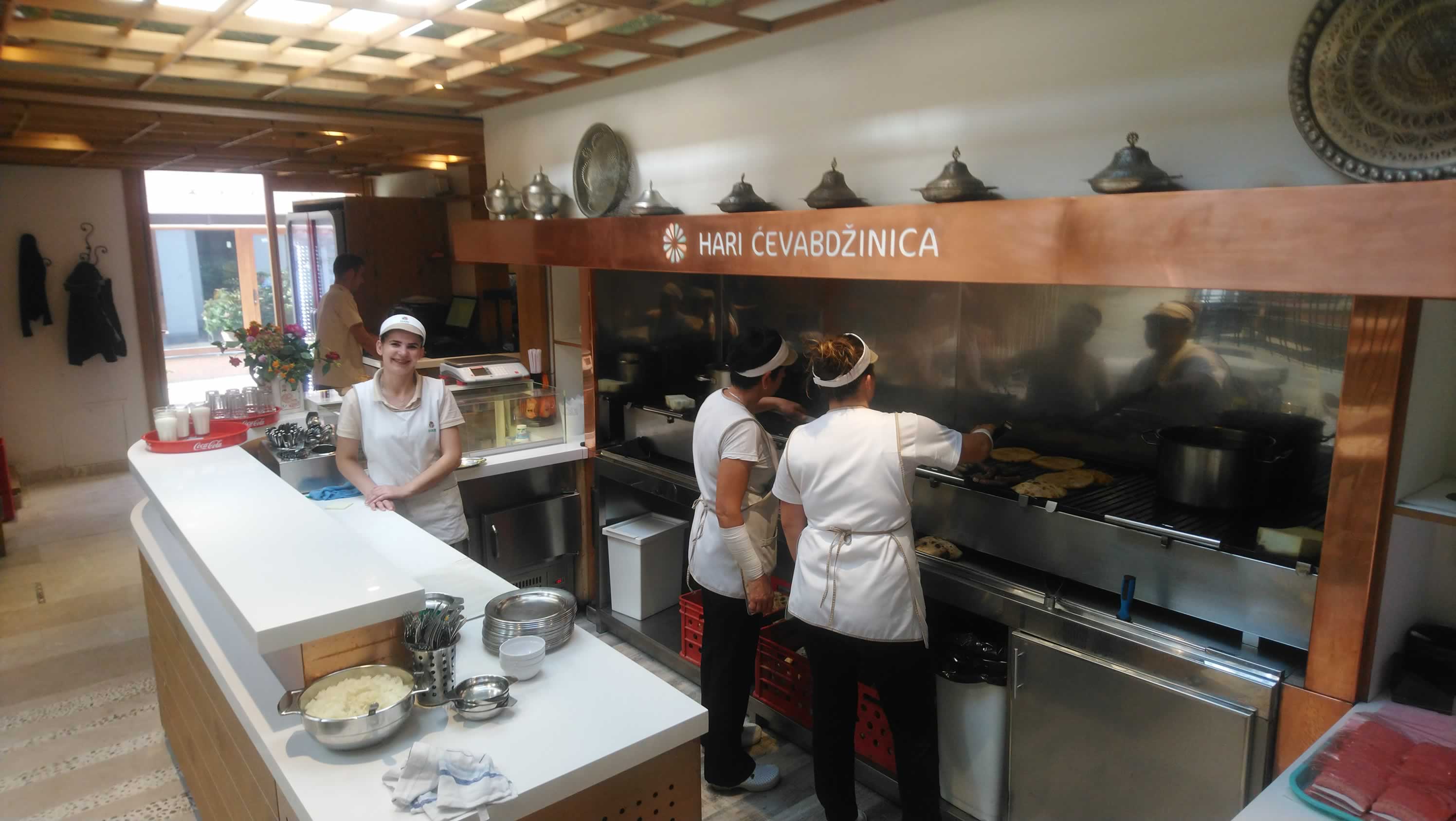
    Hari ćevabdžinica

    After traveling around Bosnia, there’s one thing that everyone agrees upon. The best Ćevapi is from Travnik and the best restaurant to get it at is at Hari. It is without doubt the best we’ve ever tasted. The bread is fresh with a light dusting of sesame seeds. The meat is perfectly cooked with no lumps or gristle. Grab a seat round the back outside next to the river, it’s the perfect accompliment to this national dish. Of course any place serving the best Ćevapi in Bosnia will be a little busy, but we hit the place twice and didn’t have to wait at all. The staff are super friendly and speak very good English.

    Friendly staff and super fresh food at Hari!
    Friendly staff and super fresh food at Hari!

    Kod Seje

    If Burek is your bag, drop into Kod Seje just opposite the ‘Colorful Mosque’. The burek is cooked over an open fire and is very fresh. The menu is tiny, they serve three types of burek, but when something is this good who needs choice. Inside is stone walls decorated with old Bosnian paraphenalia.

    Great fresh Burek cooked over an open fire
    Great fresh Burek cooked over an open fire

    More Bosnia and Herzegovina!

    Make sure to see our Bosnia and Herzegovina page with all our travel tips, travel map and all our blog posts about Bosnia and Herzegovina.

  • Why Visit Pliva River

    Why Visit Pliva River

    Pliva is relatively small river in the north-central part of the Bosnia region of Bosnia and Herzegovina set in the stunning natural landscape.

    Why visit Pliva? Because it is a beautiful calm spot with clean water, clean air and a very friendly community. Pliva was the perfect spot, why? For us to unwind, collect our thoughts and even do a little work.

    Walking the Pliva River in BosniaHerzegovina
    Walking the Pliva River with our guide Leo in Bosnia Herzegovina

    We stayed at the Vacation Home Pliva, Brđani – a beautiful and simple vacation home with all the amenities you need. The family owning the property are incredibly welcoming, warm and super friendly. They made us feel relaxed and part of the family immediately. The property sits right on the riverbank. There is even a room on the river with a glass floor.

    There are a few local shops with basic necessities like eggs, milk, butter and of course beer if you need it. You can expect to a little more for your shopping. The local restaurant charges about double what you’d expect to pay in the city, but the beer is still cheap!

    Fly fishing in Pliva is very popular.  Groups coming from all over the world to spend time wading up and down the river perfecting their cast. It’s common to see fishing tourists relaxing in the local ‘bar’ telling their stories of ‘the one that got away’. We met Paul Arden from sexyloops.com (world renowned fly fisherman) who was great fun to chat with, not only about Fly fishing, but also about the area in general.

    Walking the Pliva River in BosniaHerzegovina
    Walking the Pliva River in Bosnia Herzegovina

    Take a stroll up the river and find the source (there are two). The water magically springs out of a cave or from under the rocks, it’s hard to imagine that this river starts as something so small.

    How to get to Pliva; We took a taxi from Banja Luka directly to Pliva which cost us €38. You can also catch a bus to the nearest town of Šipovo and take a short 10 minute taxi ride for about €7,50.

    We couldn’t have asked for more. Would definitely visit again.

    More Bosnia and Herzegovina!

    Make sure to see our Bosnia and Herzegovina page with all our travel tips, travel map and all our blog posts about Bosnia and Herzegovina.

  • Best Coffee in Zagreb

    Best Coffee in Zagreb

    Where is the Best Coffee in Zagreb?

    There are loads of places where you get a cup of black gold in and around Zagreb, but some of the best coffee in Zagreb can be found at the Cogito Coffee Shop, they have several shops dotted around the city and pride themselves in sourcing their coffee with care, emphasizing its seasonality and origin. It’s true. Their coffee is made with passion and served with love.
    Check out their HQ ‘In the yard’. It has a very nice outdoor seating area and is located just off the main street near the Botanical gardens.
    Their other branch Deželića is much smaller and has an on street patio which is also nice, but not as relaxing.

    Cogito Coffee Deželića Zagreb
    Cogito Coffee Deželića Zagreb

    Both coffee shops serve their own specialties and have great staff to help you choose from their extensive coffee varieties.

    More Croatia!

    Make sure to see our Croatia page with tips about travel in Croatia, map and all our blog posts about Croatia.