Author: Sam

  • How to Travel in Namibia

    How to Travel in Namibia

    Namibia is one of Africa’s hidden treasures. If you’re wondering, “Is Namibia good for tourists?”, the answer is absolutely yes! From vast salt pans to desert dunes, Namibia offers a rare blend of natural beauty, adventure, and cultural depth.

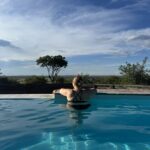
    We explored the country on a 9-day safari with Chameleon Safaris, and on a self drive here’s part one about how you can too.

    Why Travel Namibia with Chameleon Safaris?

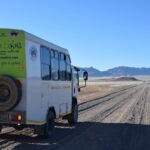
    If you’re new to self-driving in Africa or just want to sit back and enjoy, Chameleon Safaris is a perfect choice. Their 9-day Northern Namibia Adventure covers major highlights and includes transport, meals, accommodation, park fees, and a friendly, knowledgeable guides.

    All we had to do was pack our bags and charge our cameras. They even cater to solo travelers, which is a big plus in Namibia.

    📌 Use code PADDINGTON10 for 10% off your Chameleon Safaris trip!
    Namibia Top 10 Highlights from Our Itinerary

    1. Etosha National Park

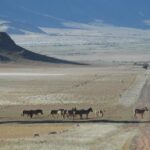
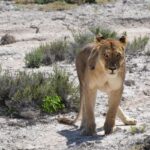
    Etosha National Park is one of Africa’s most remarkable wildlife destinations and an absolute must-see for any Namibia travel itinerary. Covering over 22,000 square kilometers, Etosha is dominated by a massive salt pan so large it can be seen from space. But don’t let the dry landscape fool you, Etosha is teeming with life! We spent 2 days exploring the park’s well-maintained gravel roads, stopping at waterholes where animals gather in breathtaking numbers. We saw elephants cooling off with a muddy splash, herds of zebra and springbok zigzagging across the plains, and even a group of lions lounging in the shade, barely lifting a paw as we passed by.

    What makes Etosha extra special is how close you can get to wildlife without needing a high-end lodge or luxury setup. Even from the back of a safari truck, you’re front row to nature’s greatest show. We spent the night in one of the park’s fenced camps, where rhinos casually strolled up to the floodlit waterhole while we watched in complete silence, hearts racing. Etosha isn’t just a place to tick off the Big Five, it’s a place to truly connect with Namibia’s wild, open soul.

    2. Damaraland in Bloom

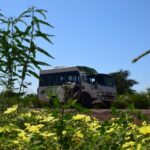
    Damaraland is usually known for its rugged, dramatic landscapes and rusty-red desert hues, but after the rains, it transforms into something truly magical. On our visit, we were lucky enough to witness Damaraland in full bloom, a rare and stunning sight. Rolling hills and arid plains were suddenly dotted with bursts of green, and bright yellow flowers lined the roadside like nature had rolled out a welcome mat. The desert elephants may have been hiding, but even without them, the landscape felt alive and full of colour and possibility.

    This temporary greening of the desert brings a softness to the normally harsh terrain, and it’s easy to see why Damaraland is one of the Namibia top 10 places to visit. The sight of Brandberg Mountain rising in the distance, framed by wildflowers and fresh growth, was a reminder of how surprising and beautiful nature can be. If you ever get the chance to visit during this fleeting bloom, don’t hesitate, it’s Damaraland like you’ve never seen it before.

    3. Kolmanskop Ghost Town

    Kolmanskop is one of the most hauntingly beautiful places I’ve ever explored. Once a booming diamond mining town in the Namib Desert, it was abandoned in the 1950s and slowly swallowed by the sand. Today, it’s a surreal ghost town, with sand dunes curling through crumbling doorways and antique wallpaper peeling under the desert sun. Walking through the old houses, post office, and even a once-grand ballroom, you can almost hear the echoes of a time when fortunes were made and champagne flowed.

    What makes Kolmanskop so captivating isn’t just its eerie beauty, but the sense of impermanence it captures so well. Everything here was built quickly and left behind just as fast, giving it a cinematic, post-apocalyptic vibe, some even say it looks like a real-life Fallout set. It’s undoubtedly one of Namibia’s top 10 places to visit and a dream for photographers, history lovers, and curious bears alike. Just remember to watch where you step, the sand gets everywhere.

    4. Sossusvlei and Deadvlei

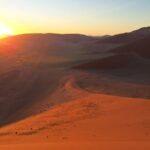
    Sossusvlei is one of Namibia’s most iconic destinations and for good reason. Located in the heart of the Namib-Naukluft National Park, it’s home to some of the tallest sand dunes in the world. I climbed Dune 45 at sunrise, and although my little legs were quite tired, the golden light spilling over the desert made every step worthwhile. The views from the top were breathtaking, a vast sea of orange dunes rolling out in every direction. It’s one of those magical moments that makes you feel very small and very lucky.

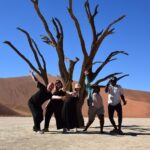
    After the climb, I ventured into the eerie beauty of Deadvlei, a clay pan surrounded by towering dunes and dotted with centuries-old camel thorn trees. These trees, long dead, have been scorched black by the sun but never decompose due to the dry climate. It’s like walking into a painting, with the deep blue sky, red sand, and stark black trees creating a surreal contrast. Sossusvlei and Deadvlei are not just must-sees, they are unforgettable highlights in any Namibia top 10 list, especially if you’re wondering, “Is Namibia good for tourists?” (Spoiler: Yes, it absolutely is!).

    5. Sesriem Canyon

    Sesriem Canyon was a surprising contrast to the towering dunes of Sossusvlei just nearby. Formed by the Tsauchab River over millions of years, this narrow gorge cuts deep into the desert floor and provides a shady, cool escape from the heat above. As I wandered through its winding passageways, the layered rock walls towered overhead like a natural fortress. It’s one of the few places in the area where water can sometimes be found, in fact, early settlers used to tie six lengths of rawhide (called ses rieme in Afrikaans) together to lower buckets into the canyon to collect water, and that’s how it got its name!

    What makes Sesriem Canyon special isn’t just its history or geology, but the peacefulness of being down in the depths of an ancient riverbed. It’s a great place to explore on foot and a reminder that Namibia’s beauty lies not only in its wide, sweeping views but also in the hidden places waiting to be discovered below the surface.

    6. Namib Desert Sunsets

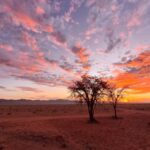
    Namib Desert sunsets are pure magic. As the sun begins to dip below the horizon, the vast desert landscape transforms into a palette of gold, crimson, and soft lavender. The light dances across the towering dunes, casting long shadows and turning the sand into glowing waves. It’s silent, still, and breathtaking,  the kind of moment that makes you pause and just take it all in. For anyone ticking off their Namibia top 10 experiences, watching a Namib sunset is an unforgettable highlight that captures the wild, timeless spirit of the desert.

    7. Swakopmund

    Swakopmund is Namibia’s breezy coastal gem, where desert meets the Atlantic in the most unexpected way. With its German colonial architecture, palm-lined streets, and a laid-back vibe, it feels like a seaside town caught between two worlds. After days in the heat and dust of the desert, Swakopmund is the perfect place to recharge. Think fresh seafood, long walks on the beach, and perhaps even a bit of sandboarding for the brave! It’s a quirky, charming stop that absolutely earns its place on any Namibia top 10 travel list.

    8. Indigenous Culture Encounters

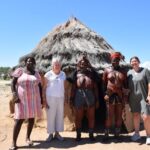
    One of the most enriching parts of any Namibia travel experience is meeting the people who call this vast and beautiful country home. From the colorful dress and strong traditions of the Herero women to the warm welcomes and ancestral ways of the Himba communities, every encounter offers a deeper connection to the land. These moments go far beyond tourism, they’re a chance to learn, listen, and appreciate the resilience and richness of Namibia’s indigenous cultures.

    9. Chameleon Staff

    The team at Chameleon Safaris truly made our Namibia adventure unforgettable. From the knowledgeable guides who shared fascinating insights about wildlife and landscapes to the friendly staff who ensured every detail was perfect, their passion and professionalism stood out. Whether it was helping with logistics or sharing local stories around the campfire, the Chameleon staff added a personal touch that turned a great trip into an extraordinary one. Traveling with them not only made exploring Namibia easy and fun but also brought the whole experience to life.

    10. Chameleon Backpackers

    Back in Windhoek, Chameleon’s own lodge provided a warm welcome, a soft bed, and a cold drink to end the trip.

    What It Cost and Why It Was Worth It

    Our 9-day adventure cost around $2,500 per person, which included nearly everything: accommodation, park entry, most meals, transport, and the guides.

    Just budget a little extra for tips, drinks, and souvenirs. Compared to trying to organize it yourself, it’s incredible value.

    Final Thoughts: Is Namibia Good for Tourists?

    Yes, and not enough people know it yet. Namibia is one of the safest, most scenic, and easy-to-navigate destinations in Africa.

    If you’re planning your Namibia travel, this is your sign to go. Whether it’s Etosha safaris, sand dune climbs, or cultural experiences, this itinerary truly covers the Namibia top 10 highlights.

    Want to experience it for yourself?

    Book with Chameleon Safaris and use PADDINGTON10 for 10% off your next adventure.

    You won’t regret it.
  • Where is the best satay in Yogyakarta?

    Where is the best satay in Yogyakarta?

    Yogyakarta, also known as Jogja, is a vibrant city located in the heart of Java Island, Indonesia. It is a popular destination among tourists, especially food lovers. One dish that stands out in Yogyakarta’s culinary scene is satay, a skewered and grilled meat dish that has been around for centuries. In this blog post, we will explore the history, ingredients, and the best places to enjoy satay in Yogyakarta.

    History of Satay in Yogyakarta
    Satay has been a popular dish in Yogyakarta since the 18th century. It is believed that the dish was introduced to the city by Arab and Indian traders who traded in the area. However, over time, the dish has evolved to suit the local palate, and today, Yogyakarta is known for its unique style of satay.

    Ingredients used in Yogyakarta’s Satay
    The meat used in Yogyakarta’s satay is typically chicken or beef, although pork and goat are also popular choices. The meat is marinated in a mixture of spices, which typically includes turmeric, coriander, cumin, garlic, and shallots. The meat is then skewered and grilled over hot charcoal, giving it a smoky and slightly sweet flavor.

    One of the unique ingredients used in Yogyakarta’s satay is kecap manis, a sweet soy sauce that is made by combining soy sauce, palm sugar, and spices. The kecap manis is often brushed onto the meat while it is grilling, giving it a sticky and caramelized glaze.

    Best Places to Enjoy Satay in Yogyakarta
    There are many places to enjoy satay in Yogyakarta, but some of the best places include:

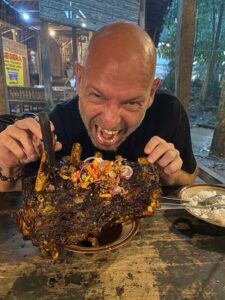
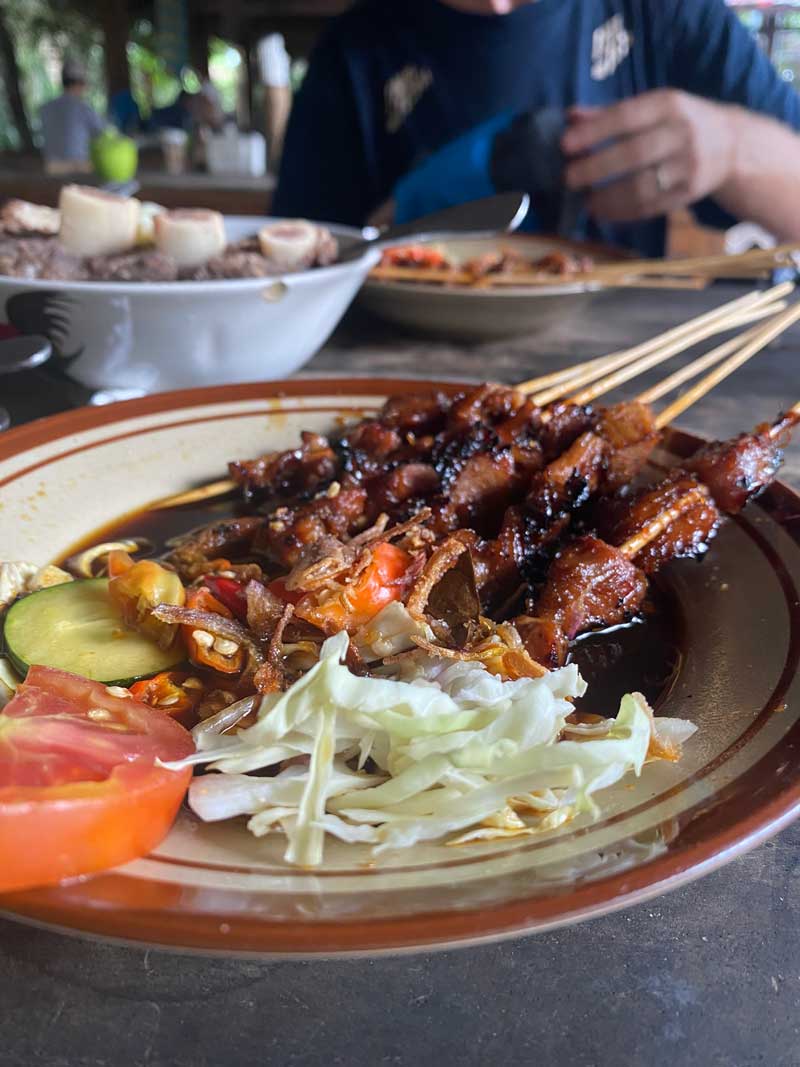
    1. Warung Sop & Sate Sapi Pak Bayu – Perhaps the best satay in Yogyakarta is located in the Sinduharjo area, their specialty is beef satay and one incredible dish they call ‘Dinosaur Ribs’. The meat is of course grilled over charcoal and served with a jus made from the meat and kecap manis (a thick sweet type of soy sauce), service is quick and friendly. The restaurant is located about 30 minutes by taxi north of the city, it’s very well known locally and any driver worth their salt will instantly know the name ‘Pak Bayu’.

    Dinosaur Ribs at Pak Bayu
    Dinosaur Ribs at Pak Bayu

    2. Satay Klathak Pak Pong – This restaurant serves various types of satay, including chicken, beef, goat, and lamb. The meat is grilled over charcoal and served with a special sauce made from coconut milk, lemongrass, and other herbs and spices. The restaurant is located in the Klathak area, about 30 minutes south from the city center.

    3. Ayam Goreng Jawa Mbah Cemplung – Located in the Prawirotaman area, this restaurant is known for its delicious chicken and goat satay. The meat is marinated in a special blend of spices and grilled over charcoal. The peanut sauce served with the satay is made from roasted peanuts, chili, and other spices, giving it a rich and savory flavor.

    4. Sate Kambing Sari Cempe Neng Lia – This restaurant is famous for its lamb satay, which is grilled to perfection and served with a spicy sauce made from peanuts and chili. The restaurant is located in the Tegalrejo area, not far from the city center.

    In my opinion, the best satay in Yogyakarta has to be Pak Bayu, not just for the high quality of the food, but also the traditional atmosphere and friendly staff. Satay is a must-try dish when visiting Yogyakarta, Indonesia. Its unique blend of spices and sweet soy sauce makes it a flavorful and delicious dish that will leave you wanting more. Whether you prefer chicken, beef, pork, or goat, there is a satay joint in Yogyakarta that will cater to your taste buds. So, if you’re planning a trip to Yogyakarta, make sure to put satay on your list of things to try.

    If you want to read more about food in Yogyakarta see our previous post ‘Where to eat in Yogyakarta

  • How to Hike to Salto El Limon

    How to Hike to Salto El Limon

    Hiking to Salto El Limón waterfall in the Dominican Republic is one of the best things to do near Las Terrenas.

    This guide shows exactly how to hike to Salto El Limón without a guide, using a quieter route that avoids crowds, saves money, and gives you a better overall experience of this famous Dominican Republic waterfall.

    Quick Overview: Hiking to Salto El Limón from Las Terrenas

    • Location: Samaná Peninsula, Dominican Republic
    • Distance: ~8–10 km
    • Time: ~4 hours
    • Difficulty: Easy to moderate

    Suggested Itinerary

    • 07:15 Guagua from Las Terrenas
    • 07:45 Start hiking
    • 08:30 Arrive at Salto El Limón waterfall
    • 08:30–09:30 Swim and explore
    • 09:30–10:30 Hike out
    • 10:30 Return

    What You Need for the Hike

    • Phone with offline maps
    • ~500 DOP cash
    • Water + snacks
    • Swimwear + towel
    • Sun protection
    • Light rain jacket

    Step 1: Download Maps Before Hiking

    When hiking to Salto El Limón, mobile signal is unreliable.

    Use Google Maps:

    • Search Salto El Limón
    • Download offline map

    Optional: Mapy.cz for better hiking trails.

    It shows smaller trails that Google often misses.
    Mapy.cz for iPhone

    Mapy.cz for Android

    Next, while we are in the application, let’s add the locations of where we will be picked up and dropped off by the local guagua.

    Guagua Pickup

    Las Terrenas

    https://goo.gl/maps/agc9ze4kxdeFFSZC9

    The ‘Parrada Guagua El Limon‘ outside La Bodega, opposite the cemetary

    Guagua Dropoff

    El Limon

    https://goo.gl/maps/p8r7F2u2yHnzwojv6

    Appx 4km after the town of El limon. Known as ‘Casa Nega‘ at the 19km road marking

    Guagua Pickup (Return)

    El Limon

    https://goo.gl/maps/AnGJX6esadKvLto16

    The bus stop in El Limon

    Guagua Dropoff

    Las Terrenas

    https://goo.gl/maps/hG7VF4pjL4D3xakQ6

    Cemetery Road

    Guagua times
    Guagua times
    Parrada Guagua
    This is where you get the guagua from in Las Terrenas

    Step 2: Guagua to Casa Nega (Start of the Hike)

    From Las Terrenas:

    • Take the early guagua
    • Cost: ~150 DOP
    • Ask for: Casa Nega after El Limón

    This drop-off sets you up for a mostly downhill hike to Salto El Limón waterfall, which is far easier than the standard route.

    Tell the driver:
    “Casa Nega, después de El Limón.”

    You’ll be dropped about 4 km past El Limón village, near a roadside sign and a dirt track.

    Casa Nega
    Casa Nega

    Step 3: Hiking to the Waterfall (Back Route)

    From the main road:

    1. Cross carefully
    2. Follow signs for “Cascada El Limón”
    3. Take the dirt road uphill

    At the top:

    • Spot a small wooden house
    • Look for a fence crossing (stile)
    • Enter the field and follow the worn trail

    Bonus: First Viewpoint

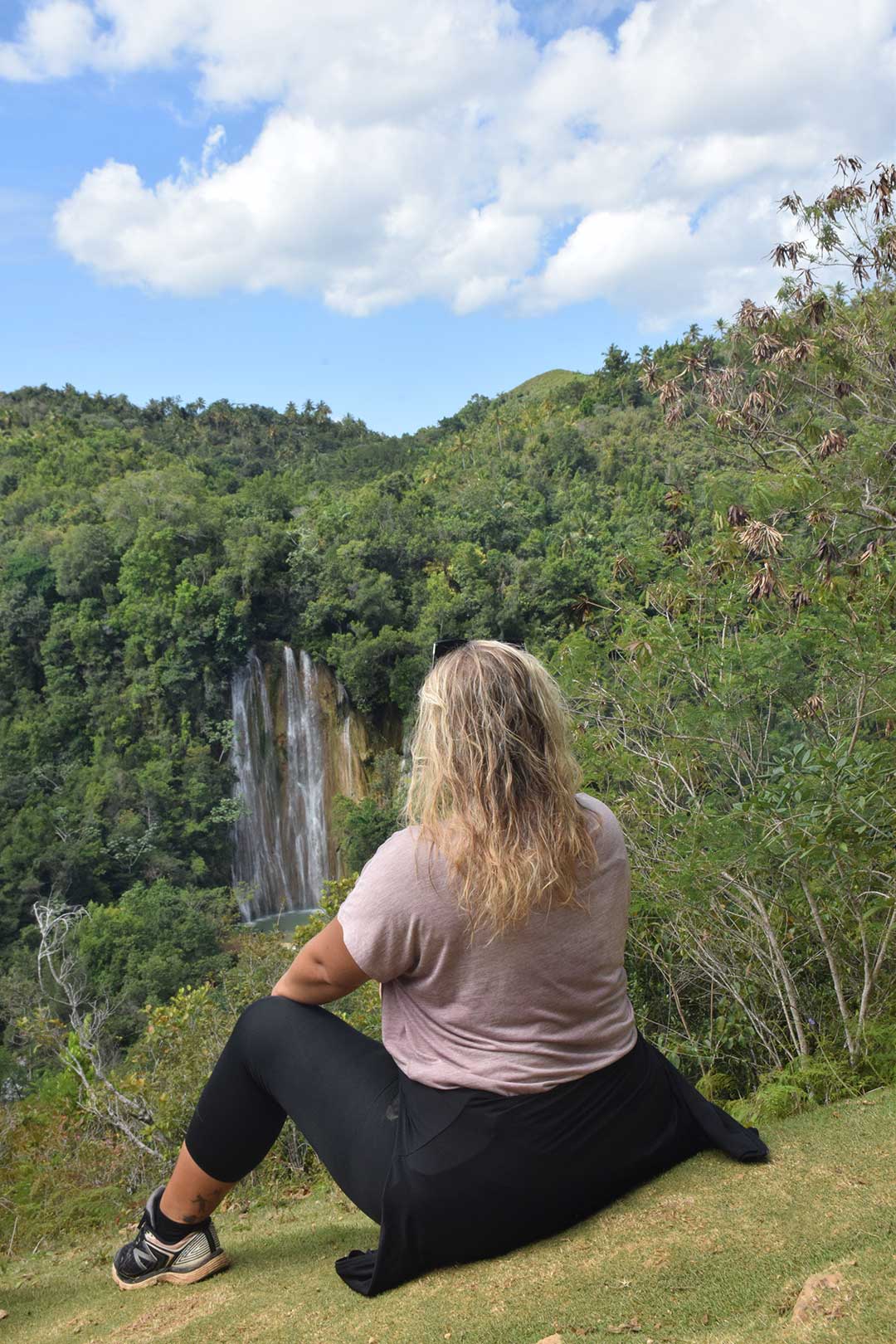
    Climb slightly to the ridge for a wide, cinematic view over the rainforest. Worth the 2-minute detour.

    From here, the trail becomes clear:

    • Descend gradually
    • Follow the main path
    • Cross a shallow river

    Turn left shortly after → waterfall entrance.

    First Viewpoint
    First Viewpoint
    First Viewpoint over the sub tropical rainforest of El Limon in Samaná

    Walk directly down to the path and keep following it all the way until you hit your first river crossing. It’s shallow and has a small path across it. Immediately after you can turn left and head to the waterfall entrance.

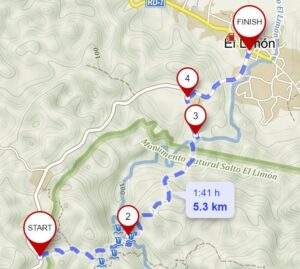
    Hiking Route to El Limon
    Hiking Route to El Limon
    Our hiking route from Casa Nega back to El Limon via the waterfalls
    Altitude Profile
    Altitude Profile
    Altitude profile of the hike. It’s mostly downhill I promise!

    Step 4: Arrive Early and Beat the Crowds

    If you took the 07:15 guagua, you might arrive before ticket staff.

    • Early arrival: often free entry
    • Later arrival: ~50 DOP

    Arriving early has advantages:

    • Fewer tourists at the waterfall
    • Cooler temperatures for hiking
    • Sometimes no entrance fee

    Pro tip

    Before heading down:

    • Walk behind the souvenir stand
    • You’ll get a direct top-down view of the waterfall

    Then descend to the base.

    Step 5: Swimming at Salto El Limón Waterfall

    The payoff: a 40-metre cascade crashing into a natural pool.

    The highlight of hiking to Salto El Limón is reaching the waterfall itself.

    • Height: ~40 metres
    • Natural pool for swimming
    • You can swim directly under the waterfall

    This is one of the most scenic waterfalls in the Dominican Republic, and arriving early makes a huge difference.

    • Expect strong spray and slippery rocks
    • Water is cool, refreshing, and deep enough for a proper dip

    This is the moment the hike cashes out.

    Salto El Limon
    Salto El Limon the 40m high waterfall with natural pool

    Step 6: The Exit Route (Standard Path Out)

    Instead of going back the same way:

    1. Cross the wooden bridge
    2. Follow the path downstream
    3. Pass a smaller waterfall
    4. Begin a steady uphill climb

    You’ll reach:

    • A clearing with views over the falls
    • A gift shop area
    • Mule parking zone

    From here:

    • Continue descending
    • Cross the river again
    • Follow the water line briefly (~100 m)

    You’ll exit near:

    • A water pump and pipe
    • The official entrance road

    Turn right → walk back to El Limón village.

    View over Salto El Limon in the Dominican Republic
    View over Salto El Limon on the walk OUT!

    Step 7: Return to Las Terrenas

    Catch a guagua from El Limón:

    • Same route back
    • Similar cost (~150 DOP)
    • Frequency: regular but not fixed

    Why This Route Works Better

    Most people:

    • Start in El Limón
    • Ride horses
    • Climb uphill both ways

    You:

    • Descend into the jungle
    • Arrive early
    • Avoid crowds
    • Pay less
    • Get better views

    It’s the same waterfall, just approached intelligently.

    FAQ: Hiking to Salto El Limón

    Is it safe to hike without a guide?

    Yes. The trail is clear, well-used, and easy to follow with offline maps.

    Do I need good fitness?

    Moderate fitness is enough. One uphill section on the way out is the only challenge.

    Can you swim at the waterfall?

    Yes. Swimming is one of the highlights.

    Is it worth it without a tour?

    Absolutely. You save money, avoid crowds, and control your pace.

    Final Take

    This isn’t just a hike. It’s a small logistical puzzle that rewards initiative.

    Skip the horse caravans. Take the back door into the jungle. Arrive before the noise.

    And for a brief window, Salto El Limón feels like it belongs to you.

  • Thanks for visiting

    Hey! We’re Livia & Sam, a Swede and a Brit travelling around the world. Welcome to our travel blog! We’ve been on the road now  since Sept 28 2018! You can find more information about who we are and what we’re doing on our About us page

  • Why we didn’t fall in love with Montenegro

    Why we didn’t fall in love with Montenegro

    Montenegro was the country which many of our friends and family said we would love. This small country sees a great deal of tourists, especially during the summer months as it has many beautiful towns along the sea. However, after a few days we had enough and decided to leave much earlier than planned. In the end we only spent 4 days in Montenegro and we never really fell in love with it. So is it worth going to Montenegro?

    Is it worth going to Montenegro?

    We know that it is not fair to judge the whole country from only two places, but it was enough for us to get on with our travels to another country. However, I think there are nicer destinations in the area than Montenegro, depending on what you are looking for of course. If you want a nice easy holiday, Montenegro is great, but if you want a more adventures, off the beaten path kind of trip, then I would suggest going to Bosnia-Herzegovina or Albania. These two countries sees way fewer tourists and are much cheaper than Montenegro. We also absolutely fell in love with both Bosnia and Albania.

    Why we didn’t fall in love with Montenegro

    Don’t get us wrong, Montenegro is absolutely stunning! Both places we went were beautiful and the scenery outside the bus window through the country was amazing. However, we did not fall in love with Montenegro.. When we first arrived to Montenegro everyone spoke English, which we weren’t used to, and all of a sudden Euro was the currency. We also found everything very pricey.

    If we had come here first, or directly from Croatia, I think we would have really enjoyed Montenegro, and it would also have felt cheap. However, we arrived from Bosnia, which was much cheaper and felt way more authentic. We really enjoy non touristy places when we travel, but unfortunately Montenegro, at least by the coast, is very touristy. So after Bosnia, we just didn’t like the feel of Herceg Novi or Kotor, and decided to skip into Albania directly.

    Again, I know we judged Montenegro way too quickly, but for us it made sense, especially from a budget point of view to head to a cheaper place and less touristy. It just felt too organised and too catered for tourism for our taste. But we will give Montenegro another chance one day!

    More Montenegro!

    Make sure to see our Montenegro page with all our travel tips, travel map and all our blog posts about Montenegro.

  • A Very Short Kotor Travel Guide

    A Very Short Kotor Travel Guide

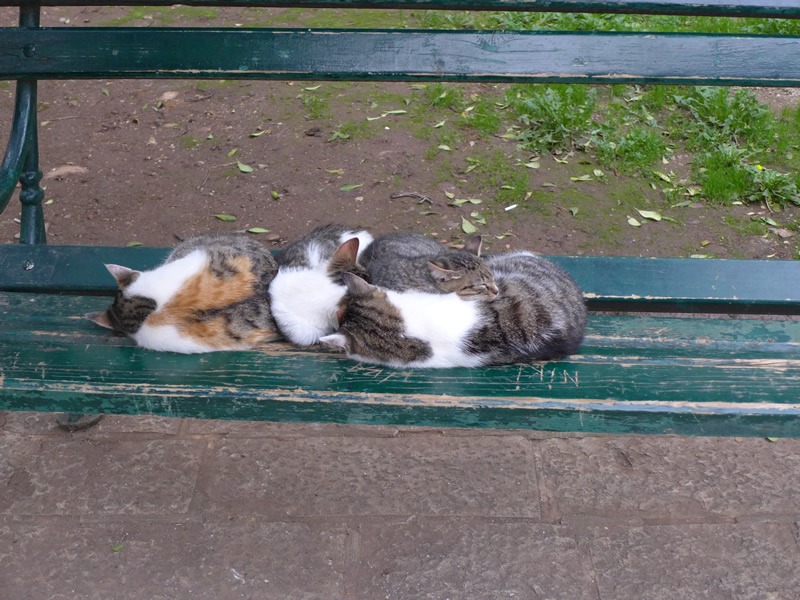
    Kotor is a beautiful little town in Kotor Bay, Montenegro. It sees thousands of tourists every year and is known as the city of cats. The bus ride to Kotor from Herceg Novi was absolutely beautiful, gorgeous views along the bay all of the way. This is our very short Kotor travel guide.

    We were in Kotor in November, so off season, which meant it was quiet, especially at night, and many restaurants were closed and as it was quite expensive we cooked our dinners at home, therefore we don’t have any tips of where to eat in Kotor.

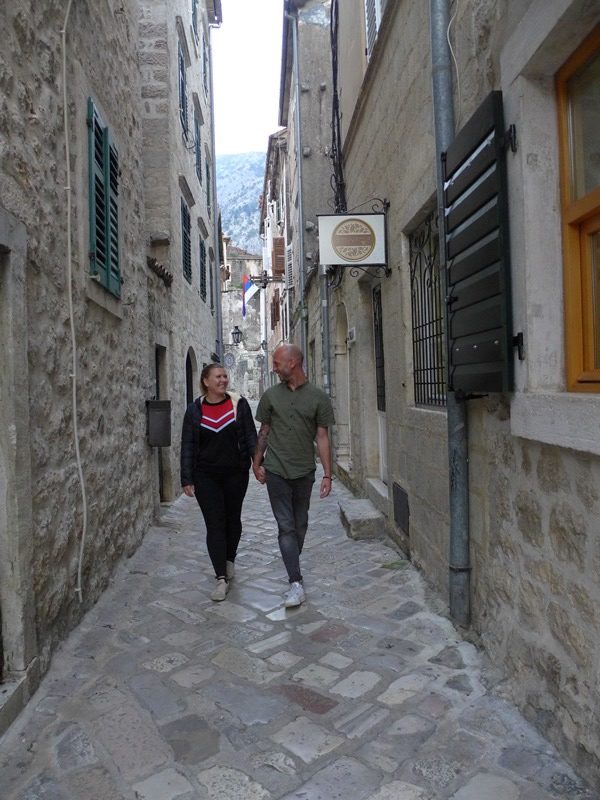
    Walking the streets of Kotor

    What to do in Kotor

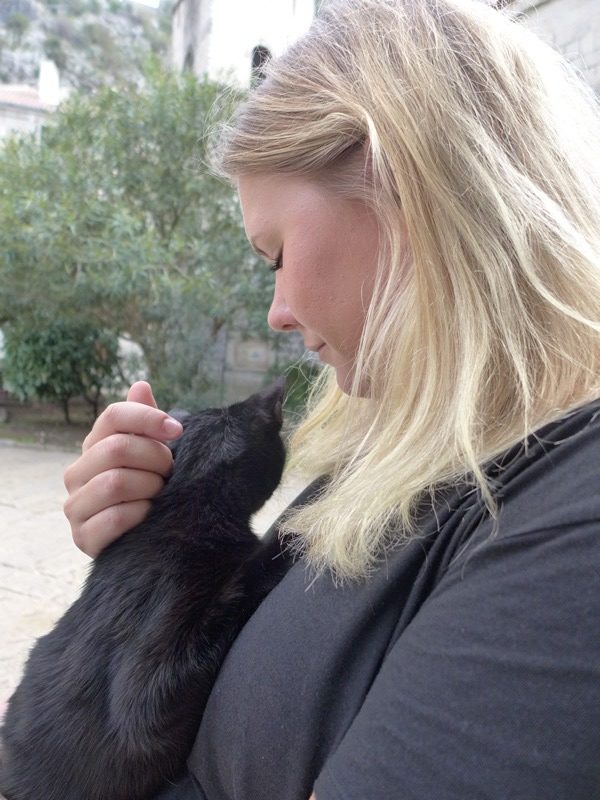
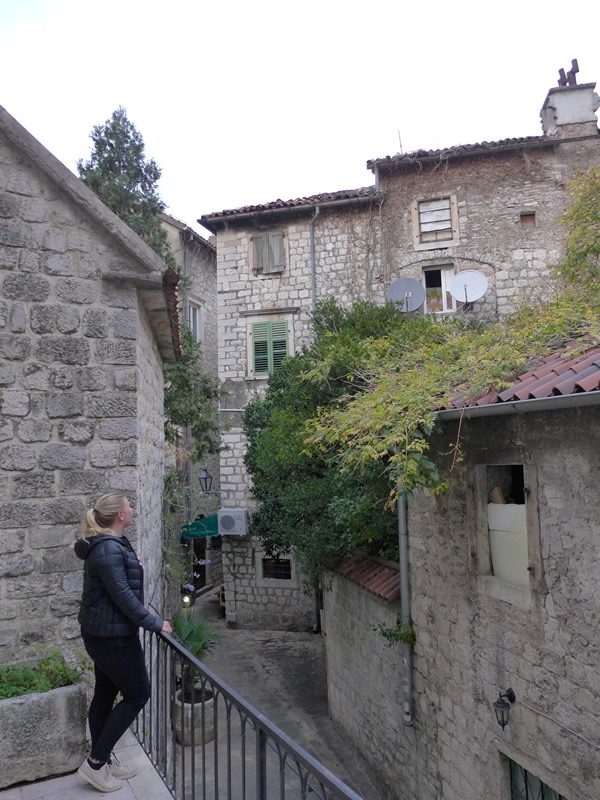
    We only spent two nights in Kotor, and didn’t do too much. Just walking around in this beautiful town is great, seeing all the architecture and beautiful views, and of course hanging out with all the cats. Old town is small so it’s easy to get around by foot.

    City of cats
    Livia just loved hanging with all the cute cats!
    Kotor has a small Italian village feel over it

    Visit the fort

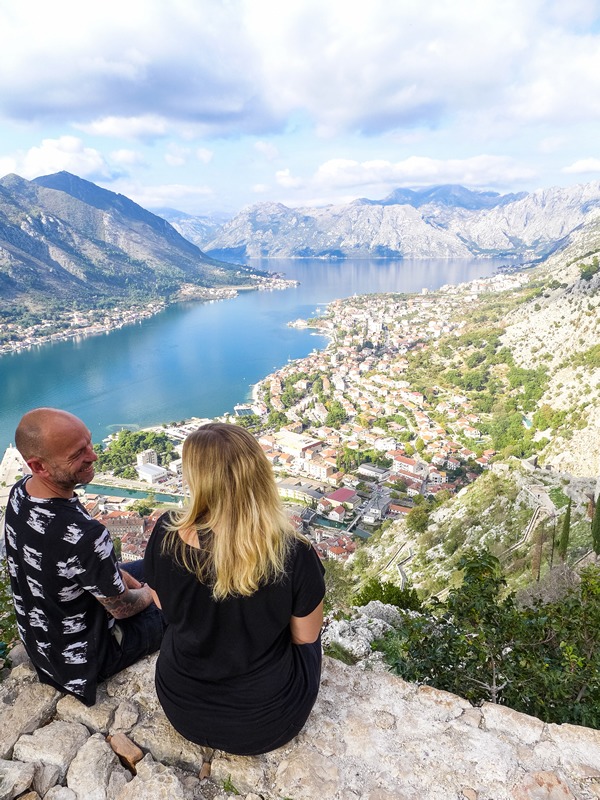
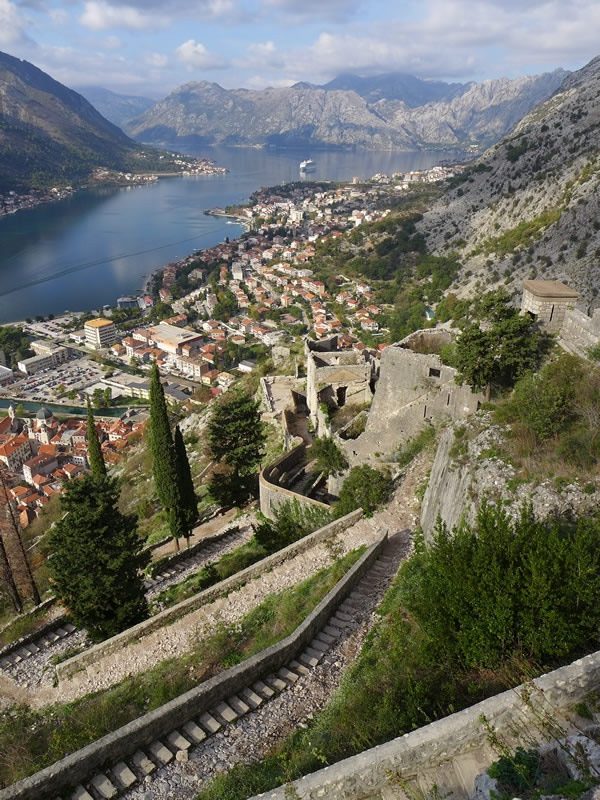
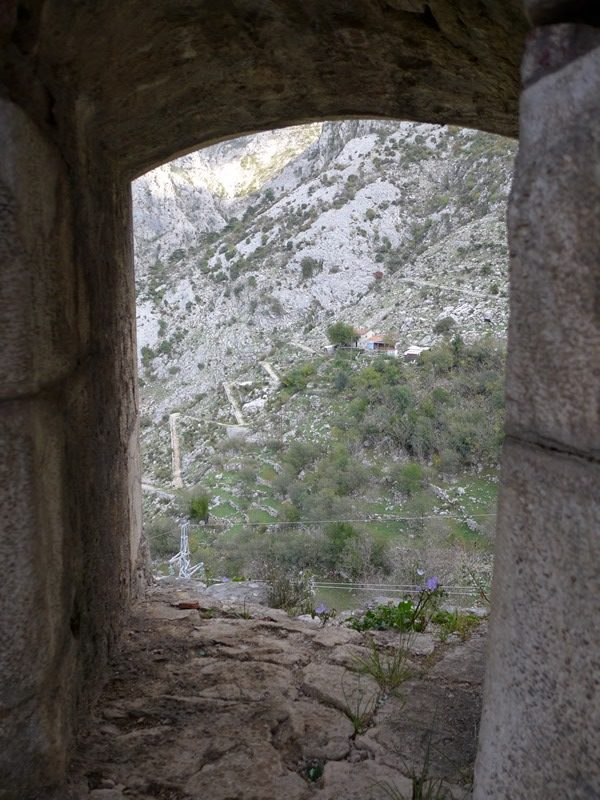
    A walk up to the fort is definitely worth it, just wear good shoes as it is high up. Entrance is expensive if you go the normal way. So here comes a travel tip we wished we knew before paying that hefty entrance fee. If you go outside the walls you can walk up a small dirt road, which is used by the farmers, and you can end up at the fort the back way, for free. The fort it self is nothing to see – you go there for the spectacular views!

    Views over Kotor and Kotor bay from the fort
    All the steps up…
    Views over the free walking way up

    More Montenegro!

    Make sure to see our Montenegro page with all our travel tips, travel map and all our blog posts about Montenegro.

  • Must try food in Bosnia and Hercegovina

    Must try food in Bosnia and Hercegovina

    We ate such good food in Bosnia-Hercegovina. Traditional food is often prepared with meat, and meals are plentiful and delicious. The food is usually made from scratch with local and seasonal ingredients, and by definition organic. The cuisine is similar to that of Turkey, Greece, and other Mediterranean countries. Salads are usually made up of a few tomatoes, cucumber and a generous helping of raw cabbage. Nearly everyone drinks in Bosnia, so you will find plenty of choice for local beers and rakija (the local spirit). There’s so many great dishes to try in Bosnia and Herzegovina, but we tried to make a list of the must try foods and where to eat them.

    1. Cevapi

    The land of Cevapi – it’s a must when visiting Bosnia! Usually served in bread with raw onion. But some places serve with Ajvar or yoghurt-creme cheese sauce. Best one – Travnik at Haris – even people in Sarajevo said this! And we agree – after 31 days in Bosnia and god knows how many Cevapi, the best one was definitely there.

    Cevapi at Haris in Travnik

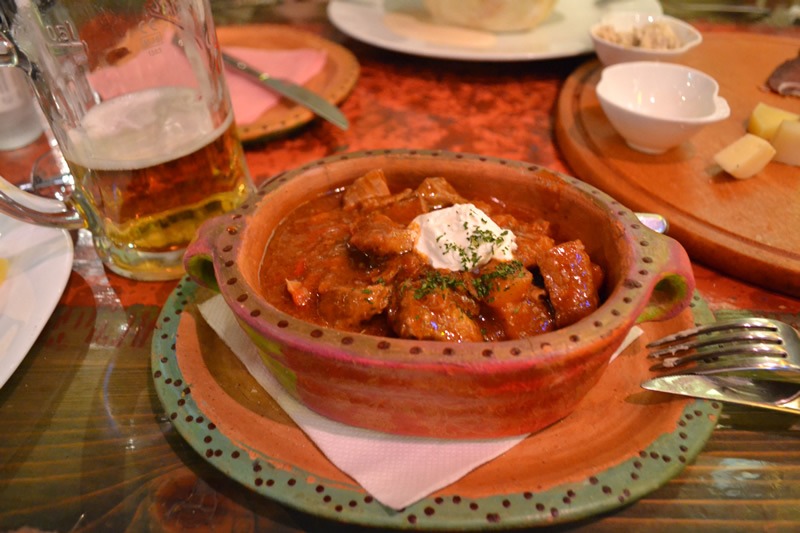
    2. Muckalica

    Muckalica, a meat stew in tomato base. The best one we had was at one of the only non-smoking restaurants in Sarajevo (perhaps in all of Bosnia) The tiny kitchen in the back is humming with activity as the ladies prepare food. It gets busy so book a table. Don’t be afraid to call as the staff speak perfect English. The home baked bread ‘crown’ is beautiful and the steaks here are also pretty damn good.

    3. Lonac

    Lonac became Livia’s favourite dish in Bosnia, a pot with meat, carrots, cabbage, onion etc. cooked for a long time. The absolute best one we had was in Jajce at Kod Asima. This place sits above the entrance to old town. It’s interior is a bit dated and dark, but you can also sit outside on the roof terrace. The Lonac is amazing here, it’s thick and rich, not the watery cabbage stuff you get in Sarajevo. Note: we only found this dish in Federation of Bosnia and Herzegovina and not in Republica Srpska.

    4. Biftek

    Biftek, a steak, can be found everywhere in Bosnia-Hercegovina. They know their meat here! We had it a few times, but not too many as it’s more expensive than other dishes. One of the best ones was in Trebinje, at restaurant MGs.

    5. Mix grill!

    Grilled food is typically Bosnian, and you will find it everywhere. We had mix grill many times during our trip through Bosnia, and they were all great. One of the best plates of this we found in Mostar at Irma in Old Town. They cook everything over a fire grill and the cheff pulls the meat from the flames with her bare hands and piles it high on platters. We ordered the mix grill for 2 people (30KM) and we were almost scared with the amount of food (with grilled vegetables, ajvar, bread and cream cheese with of course the obligatory raw onions) that arrived. It was a mountain of joy. Head there late afternoon and we promise you that you won’t want to eat anything else that day.

    Mostar Irma Grill Livia
    Mostar Irma Grill

    6. Burek

    Burek is a kind of pastry with various fillings, our favourite was the meat one. You can find burek everywhere. All bakeries (Pekara) will sell them. They’re also open late, so you can always get a Burek! The best place we had Burek was in Travnik, but I don’t think we ever had a bad tasting burek.

  • Trebinje Travel Guide: What to do and where to eat

    Trebinje Travel Guide: What to do and where to eat

    Trebinje, a little gem in Hercegovina. Not many cities is Bosnia-Hercegovina is very pretty, but Trebinje really is. The climate was also quite different, much more mediterranean. In general, the landscape of Hercegovina is quite different from the rest of the country, less mountains and less lush but very beautiful. There is also many wineries around the region. This is our Trebinje travel guide, the super picturesque city of Hercegovina.

    All places listed are added on our Bosnia-Hercegovina travel map.

    What to do in Trebinje

    Trebinje is not a touristy city so it doesn’t cater to tourists, which we find very nice. But it also means there arean’t loads of places that you should go and see. We prefer these kind of places to the touristy ones full with monuments you ”should” visit.

    Walk Around

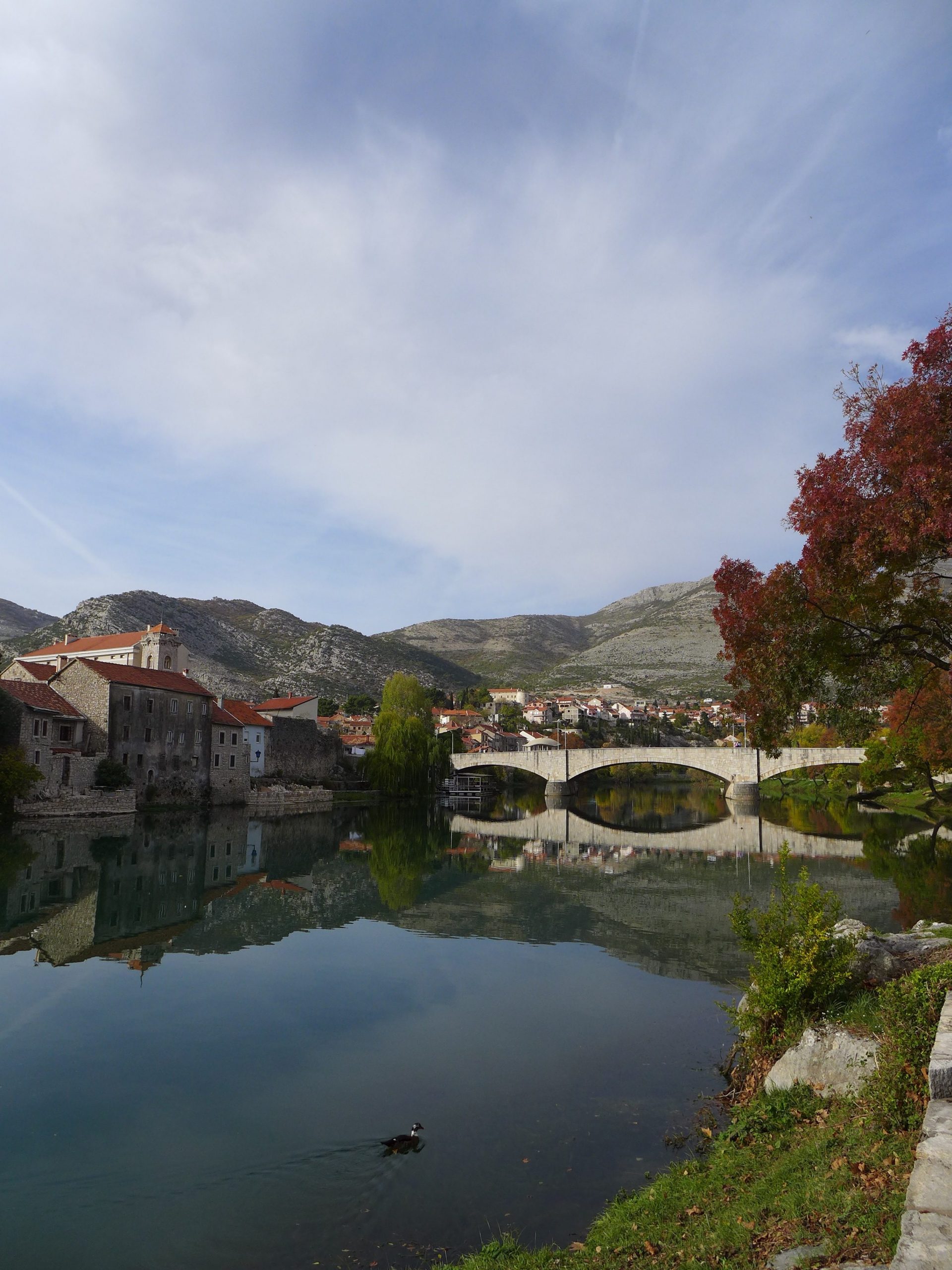
    Just walk around the city and stumble upon random places. That is what we love doing wherever we go and Trebinje is perfect for that. Not too much traffic and small enough to walk in. Make sure to stroll along the river, there are some great photo spots with great views over the old town and the old bridge.

    Views over Trebinje
    Trebinje old town
    Trebinje, old town and old bridge

    Visit Arslanagic Bridge

    If you walk further along the river you will find the Arslanagic Bridge, a beautiful old bridge. We found this bridge much more beautiful than the one in Mostar. Definitely worth a visit.

    Arslanagic Bridge
    Walking over Arslanagic Bridge with the mountains in the background

    Visit Hercegovacka Gracanica

    This orthodox church is located on a hill overlooking the whole city. It is walkable but quite a steep walk up. The church is beautiful, but it is the views that’s the star. They are breathtakingly beautiful. You can see the whole city with the mountains as a backdrop. Make sure to head up here if you visit Trebinje. Also stay for a coffee at the cafe next to the church.

    Inside Hercegovacka Gracanica
    Hercegovacka Gracanica
    The views from Hercegovacka Gracanica

    Visit the Church of St. Archangel Michael

    This place is so local that I can’t even find the name in latin letters on google. It is also an orthodox church on a hill. The church itself is closed or underconstruction, but you can climb up on the stairs on the outside and you get beautiful views over the city and the surrounding area. The walk up is quite steep, but very beautiful. You walk through a villa area on a hill, where life happens.

    Looking out over Trebinje from Church of St. Archangel Michael

    Visit the Pijaca, the central Market

    Come on a Saturday before lunch to see this market at its busiest. People come in from all the surrounding villages to sell their products. You will find loads of vegetables, but also home made cheese, honey and other products. As it’s a local market, the prices are also very affordable. After strolling through the market, sit down at one of the cafes on the square for some people watching.

    Stari Grad

    Walk around old town in Trebinje, it’s not as beautiful as other old towns in Bosnia-Hercegovina, but this is where many people meet for drinks or coffee during weekends. Join the locals and sit down at one of the many cafes or bars and just soak in the vibes.

    Drink coffee

    As everywhere else in Bosnia-Hercegovina, there’s a strong coffee culture in Trebinje. There’s many nice places around the main square and in old town. But our favourite ones was Botanik, with great coffee just outside the centre of town – also very cheap. Kafe bar Jaz was another favourite, a very nice spot for a coffee by the river, close to the old bridge.

    Inside cafe Botanik

    Where to Eat in Trebinje

    Trebinje was the only place in Bosnia where we had issues finding good food. It seems like people here doesn’t really go out to eat, so evenings was pretty dead (at least when we were there Saturday and Sunday evening). It was mainly hotels that served food, but they were overpriced and not great. Other than that mostly pizza places. According to google many good restaurants are located quite a bit outside the city, but as we didn’t have a car we didn’t visit these. But if you do have a car, try them out.

    MG’s

    We did manage to find one really nice restaurant, MG’s. Located close to the main square. The interior looks like it’s coming straight out of a 70s movie, but they served really nice traditional food and the waiter very friendly. The prices was higher than what we were used to in other places in Bosnia-Hercegovina, but it was ok for our budget.

    More Bosnia and Herzegovina!

    Make sure to see our Bosnia and Herzegovina page with all our travel tips, travel map and all our blog posts about Bosnia and Herzegovina.

  • Jajce Travel Guide: What to do and Where to Eat

    Jajce Travel Guide: What to do and Where to Eat

    Jajce is a very cute little town in central Bosnia. It feels little like an Italian village mixed with Ottoman architecture. You can also see traces from the war still, as many houses has bullet holes in them still. We really enjoyed the slow pace of Jajce, a place to relax and just get lost in the small center. See our Jajce travel guide here for tips of what to do and where to eat.

    Have a look at our Bosnia-Hercegovina travel map for locations.

    What to do in Jajce

    There is not loads to do in Jajce, but there are a few places to visit and things to do. But the number one thing is just to relax and soak in the calm atmosphere with a coffee at one of the many cafes.

    Visit Jajce Fort

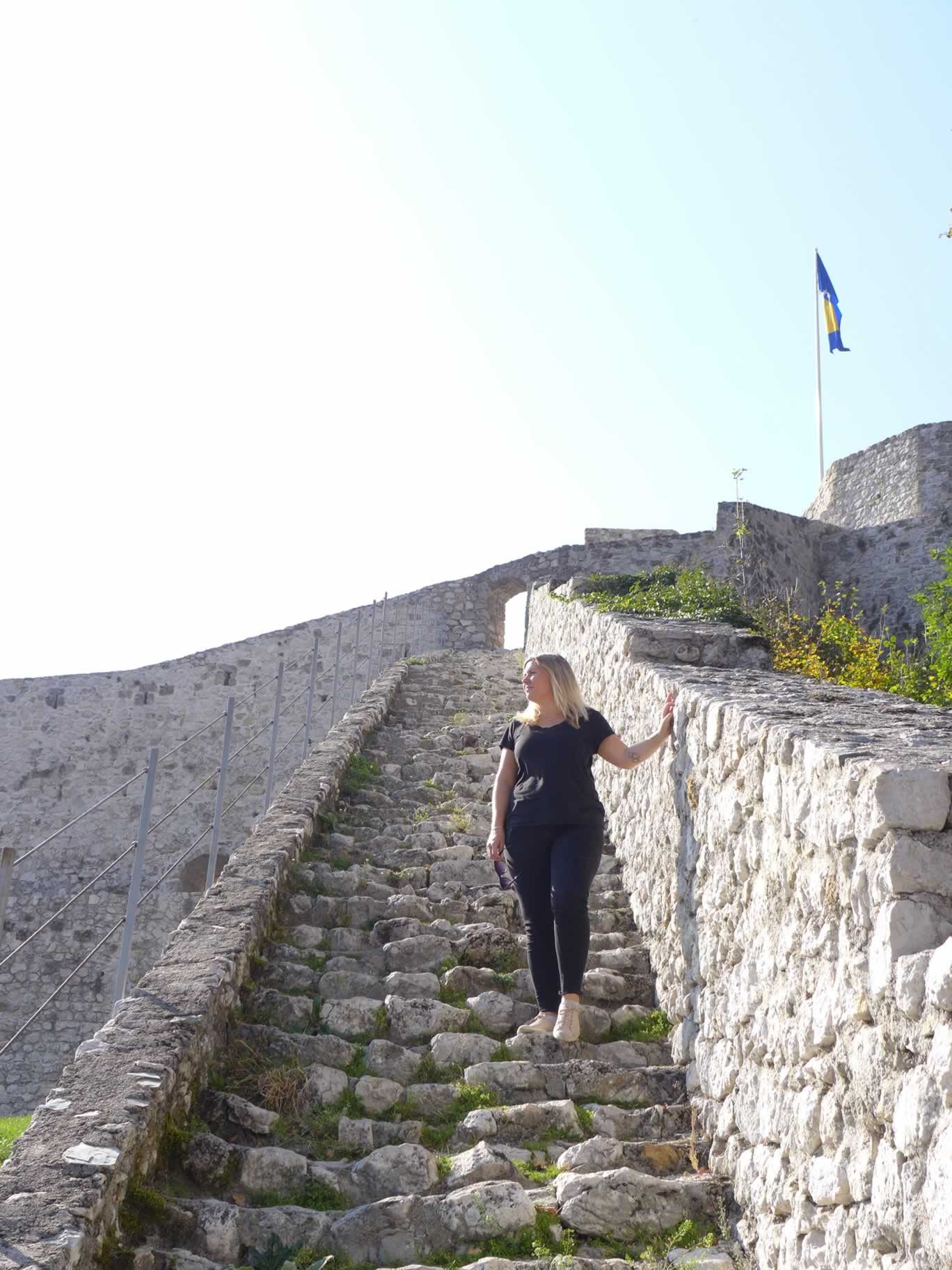
    One must is to visit Jajce fort. It’s up the hill with great views of the city and the surrounding area. The fort itself is not super interesting, as with most other forts in the Balkans, but the views are stunning! The entry is also cheap so perfect if your on a budget.

    Views from Jajce FortViews from Jajce Fort Selfies at Jajce FortSelfies at Jajce Fort


    Jajce Fort
    Jajce Fort

    Get Lost on Purpose

    It’s not so easy to get lost in Jajce, but it is very nice to just walk around on the winding alleys around the fort and the centre. It’s not many streets but you can see daily life once you get off the main street. It’s quite a village feel to it, perfect for a slow stroll.

    Jajce Old Church
    Jajce Old Church

    Drink Coffee

    Like anywhere in Bosnia, Jajce is full of cafes to enjoy a cup of Bosnian coffee. We found the perfect place next to the catacombs. We had the best Bosnian coffee here during our month long stay in Bosnia. We had our coffee on the wall as there was no sun on the outside veranda and the very sweet and friendly brought out some pillows for us to sit on and came with the coffee and turkish delight. It’s also very good price.

    Bosnian Coffee and Jajce Catacombs
    Bosnian Coffee and Jajce Catacombs

    Visit the Catacombs

    This is another of the very few attractions in Jajce, but it’s actually quite nice. Now, we haven’t been to any other catacomb so we can’t compare it, but I would guess this is quite small compared to others, but still it has two floors. It’s a perfect place to escape the heat if you visit during summer. If you want to kill a little bit of time I would visit, as it’s on the way up the fort.

    Jajce Waterfalls

    What most tourist come to see is the Jajce waterfalls. It is definitely worth seeing. To go down you need to pay, but we don’t think that is worth it. You get a very nice view from upstairs. Also, there is a viewpoint on the other side of the river, you can see it from the city side, there’s a little open area with a table. You can walk over the bridge to get there, there’s no side walk on the other side and cars drive fast, so just make sure to be careful and keep to the side as much as possible.

    Jajce Falls
    Jajce Falls

    Where to Eat in Jajce

    Kod Asim

    This place is really nice, a little touristy but definitely worth a visit. A must try is the Lonac, a specialty for the region. It is served in a claypot and it is divine!

    Kristal Grill

    Good place for lunch on the main street. They serve grill dishes and some cooked meals too. The food is good and cheap!

    More Bosnia and Herzegovina!

    Make sure to see our Bosnia and Herzegovina page with all our travel tips, travel map and all our blog posts about Bosnia and Herzegovina.

  • Travnik Travel Guide: What to do and where to eat

    Travnik Travel Guide: What to do and where to eat

    We both really enjoyed spending a few days in Travnik. It’s a very relaxed small city, perfect to unwind and enjoy local life. This is our short Travnik travel guide to what to do and where to eat.

    Travnik is situated in central Bosnia and Herzegovina, 90 kilometres (56 miles) west of Sarajevo. Travnik became the capital of the Ottoman province of Bosnia and residence of the Bosnian viziers. In September 1903 a large fire started by a spark from a locomotive train destroyed most of the towns buildings and homes. The train now sits in the centre of the town as weird reminder of the devistation it caused. During the Bosnian War, the town mostly escaped damage from conflict with Serbian forces, hosting refugees from nearby Jajce. Numerous structures dating to the Ottoman era have survived in near perfect condition, such as mosques, oriental homes and two clock towers.

    What to do in Travnik

    There isn’t loads of touristy things to do in Travnik, but that was the beauty of this city for us. It really is the perfect place to relax and enjoy daily life. But we have listed a couple of things below to do in Travnik.

    All places listed below are added to our Bosnia and Herzegovina map.

    Stari Grad Castle

    Travnik Castle, dates back to pre-Ottoman Bosnia when the former Christian Kingdom ruled the region. It has been kept well intact and repaired with care. The views from the top are quite spectacular. Always worth a photo.


    Amazing views from up top of Stari Grad Castle
    Amazing views from up top of Stari Grad Castle

    Plava Voda

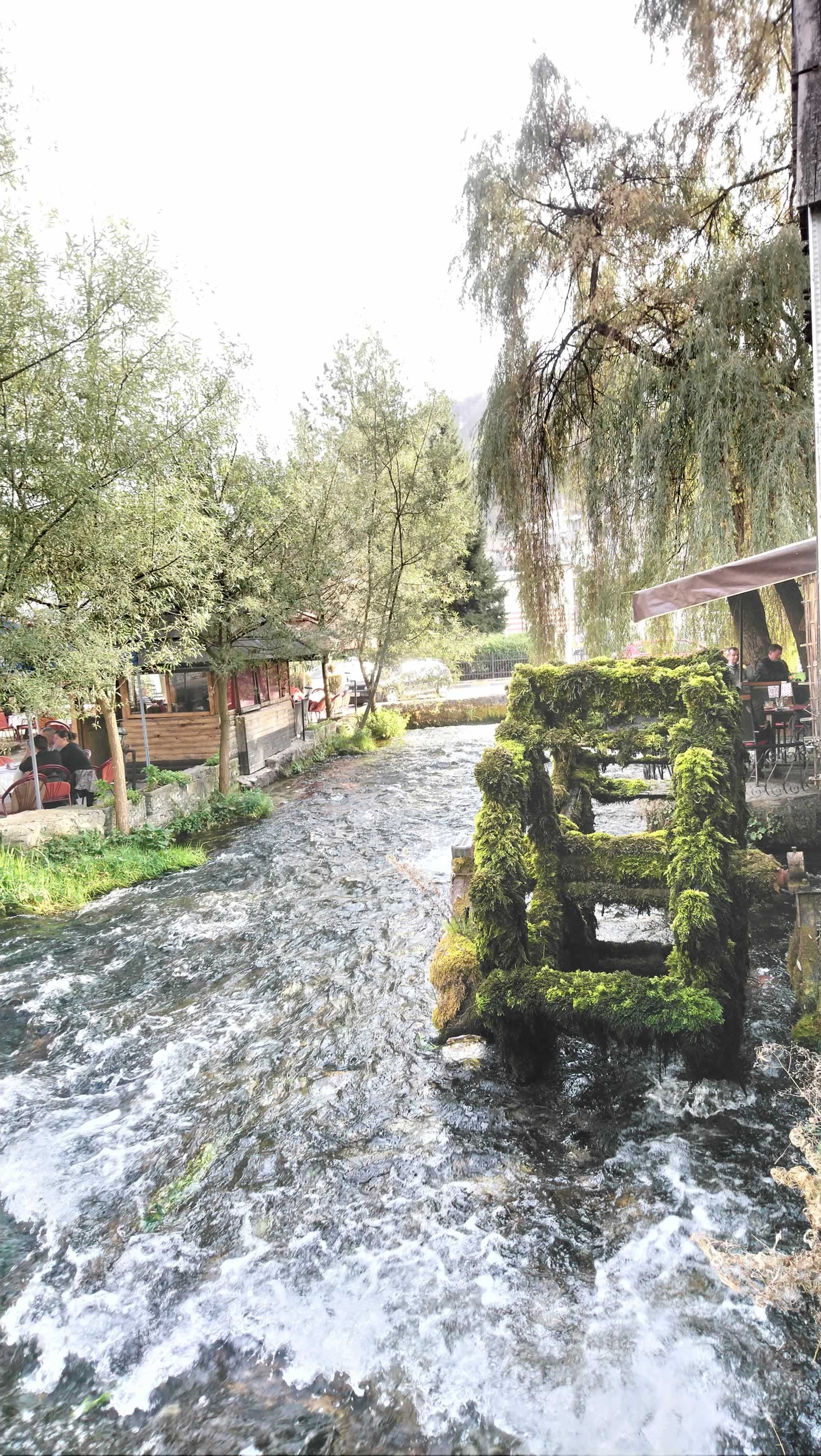
    Plava Voda, or ‘blue water’ trickles along the stream to the east of Travnik Castle. Wooden bridges crisscross over the water and restaurants and bars line the water’s edge, it’s a popular spot to relax and enjoy a coffee. The Lutvina Kahva Coffeehouse (formally Cafe Rudolf) is of historical significance after the Hapsburg Prince dropped in here in 1887 and left a gold coin to keep the place open. Grab a Lutvina Kaffe (basically a Bosnian coffee with a Turkish Delight, a cigarette and a box of matches) and listen to the clear blue water gurgle past you.

    Listen to the gurgling water at Plava Voda
    Listen to the gurgling water at Plava Voda

    Stari Grad

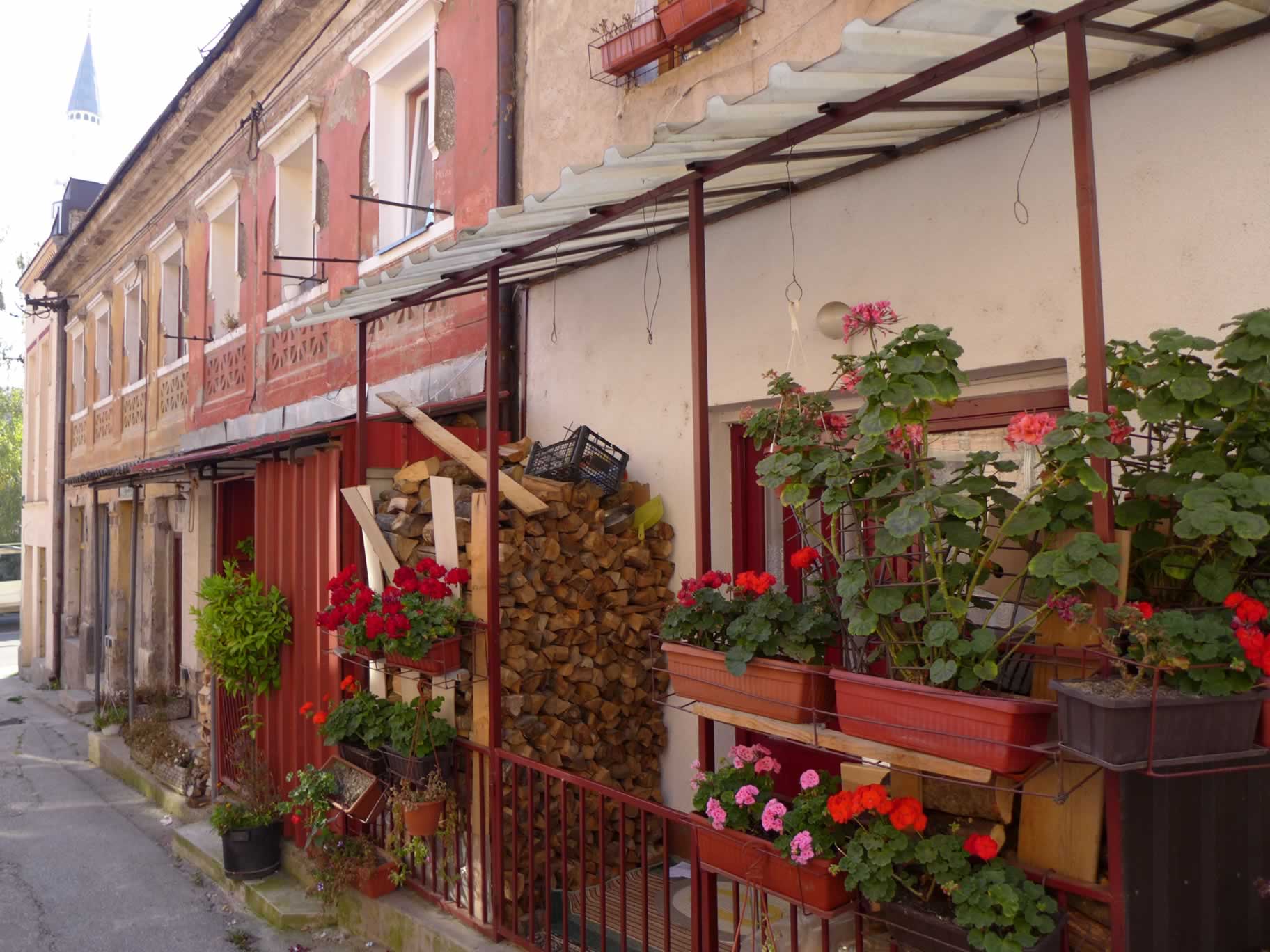
    Stari Grad means old town. Travnik’s old town is situated on the hillside of the city, and it is the perfect place to just walk around and get lost in small alleys.

    Stari Grad in Travnik
    Stari Grad in Travnik

    Where to eat in Travnik

    Hari ćevabdžinica

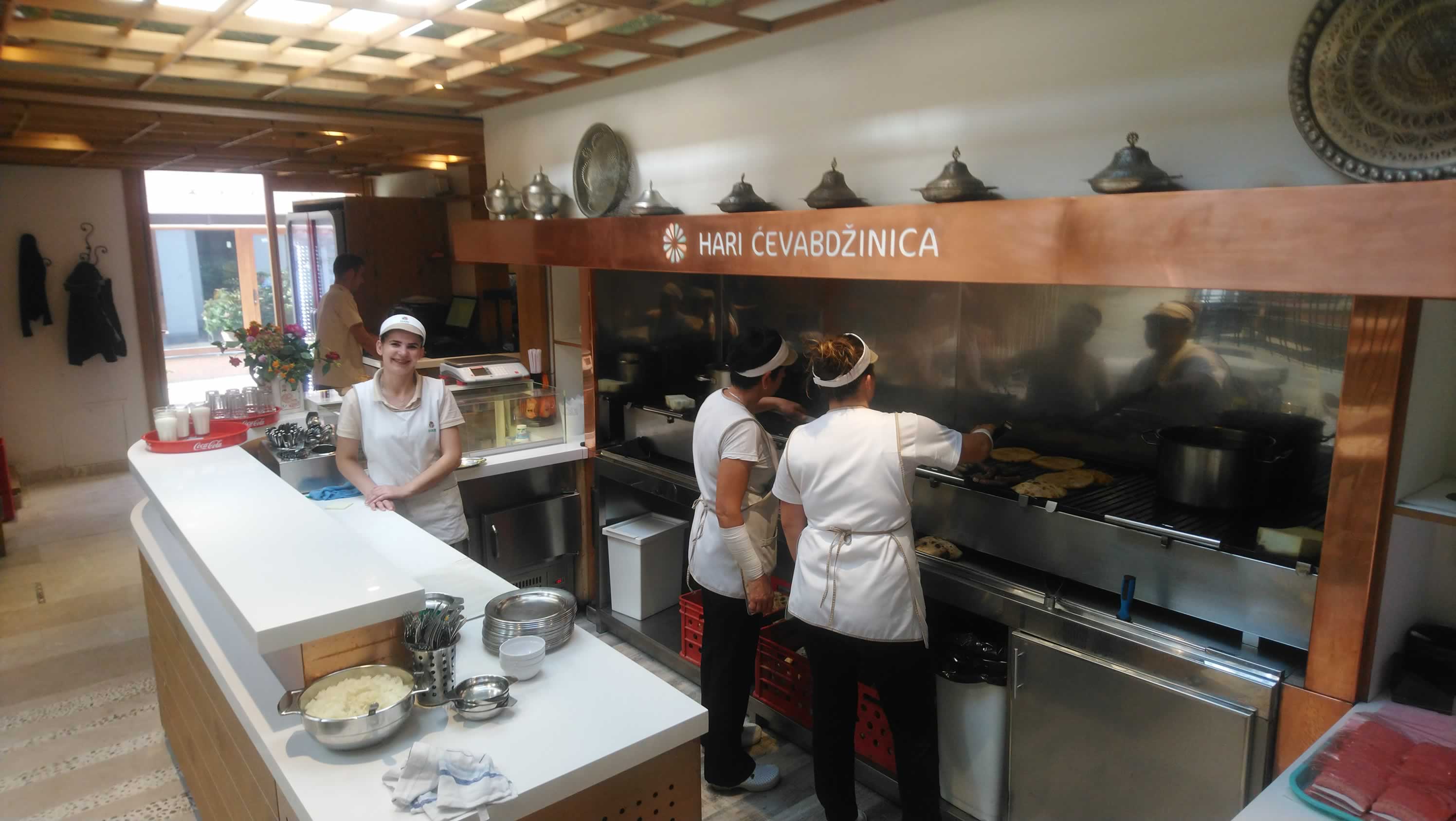
    After traveling around Bosnia, there’s one thing that everyone agrees upon. The best Ćevapi is from Travnik and the best restaurant to get it at is at Hari. It is without doubt the best we’ve ever tasted. The bread is fresh with a light dusting of sesame seeds. The meat is perfectly cooked with no lumps or gristle. Grab a seat round the back outside next to the river, it’s the perfect accompliment to this national dish. Of course any place serving the best Ćevapi in Bosnia will be a little busy, but we hit the place twice and didn’t have to wait at all. The staff are super friendly and speak very good English.

    Friendly staff and super fresh food at Hari!
    Friendly staff and super fresh food at Hari!

    Kod Seje

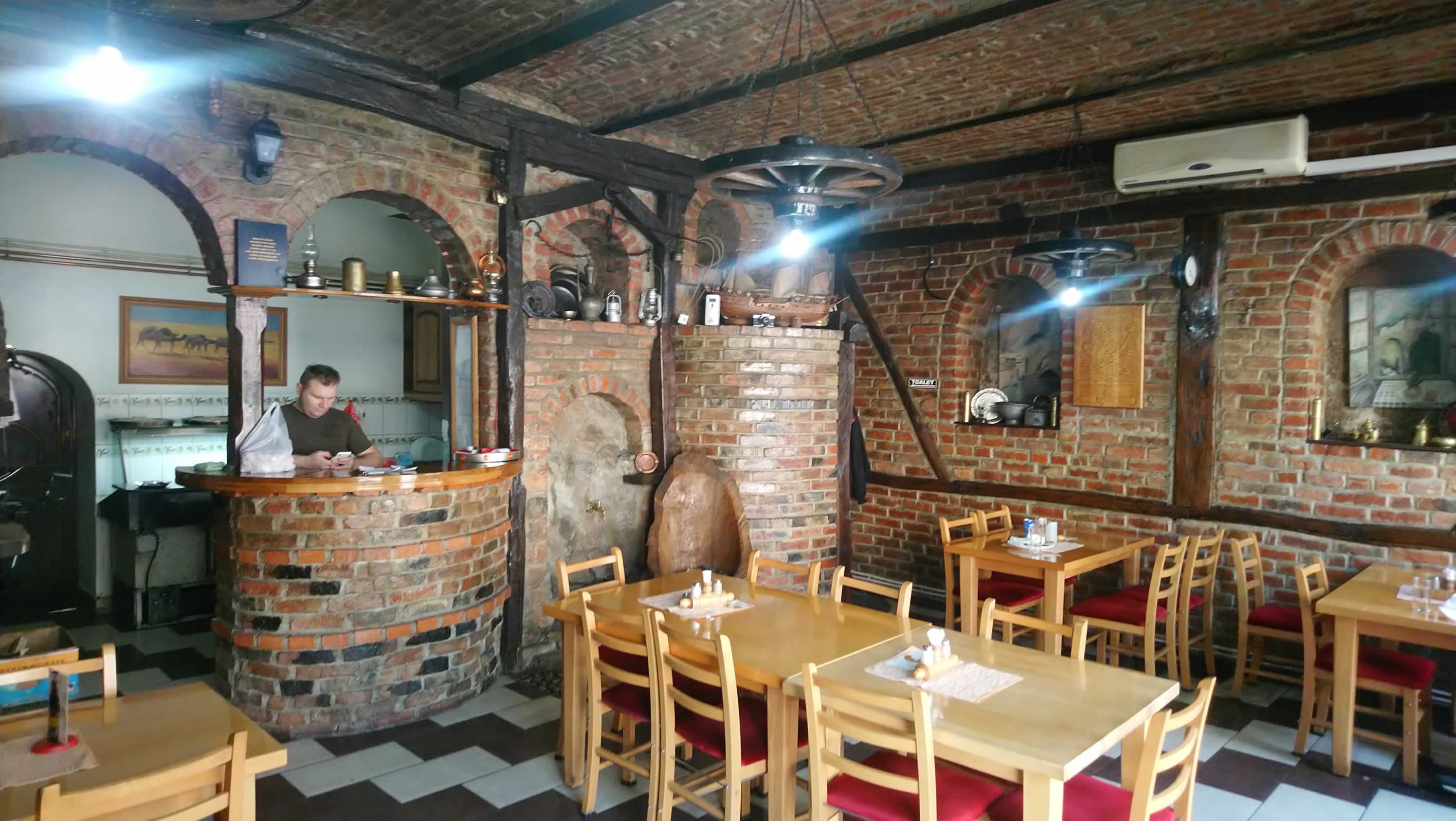
    If Burek is your bag, drop into Kod Seje just opposite the ‘Colorful Mosque’. The burek is cooked over an open fire and is very fresh. The menu is tiny, they serve three types of burek, but when something is this good who needs choice. Inside is stone walls decorated with old Bosnian paraphenalia.

    Great fresh Burek cooked over an open fire
    Great fresh Burek cooked over an open fire

    More Bosnia and Herzegovina!

    Make sure to see our Bosnia and Herzegovina page with all our travel tips, travel map and all our blog posts about Bosnia and Herzegovina.